 Home and Garden
Expert Tips for Successful Bathroom Remodeling Projects
Understanding the Basics of Bathroom Remodeling
What is Bathroom Remodeling?
Bathroom remodeling is the process of making significant changes or upgrades to a bathroom’s design, function, and aesthetics. This may involve reconfiguring layouts, updating fixtures, installing new flooring or vanities, and enhancing overall style and comfort. Beyond mere renovation, bathroom remodeling aims to improve the space’s efficiency, maintainability, and personal appeal. The scope can range from minor updates—like replacing faucets or repainting walls—to complete overhauls that require complex structural changes.
Key Reasons for Bathroom Remodeling
The decision to embark on a bathroom remodeling project often stems from a variety of motivations:
- Increased property value: A well-done bathroom remodel can significantly boost a home’s market value.
- Enhanced functionality: Outdated bathrooms may not cater to contemporary lifestyles, prompting the need for design changes that facilitate improved use of space.
- Energy efficiency: Upgrading to eco-friendly fixtures and appliances can reduce water usage and energy costs.
- Aesthetic upgrade: A new design allows homeowners to express personal style and create a more inviting environment.
Cost Considerations in Bathroom Remodeling
Understanding the financial implications is crucial in planning a bathroom remodeling project. The cost can vary based on size, materials selected, labor rates, and project complexity. On average, bathroom remodeling projects can range from $10,000 to $25,000. However, significant factors influencing cost include:
- Scope of work: Larger remodels will generally incur higher costs due to increased labor and materials.
- Choice of materials: High-end finishes, fixtures, and custom designs will drive up expenses.
- Professional assistance: Hiring experienced contractors will add to the budget, yet their expertise often leads to a better outcome.
Planning Your Bathroom Remodeling Project
Creating a Budget for Bathroom Remodeling
Establishing a detailed budget is one of the most essential steps in planning a bathroom remodeling project. This budget should encompass all aspects of the renovation:
- Construction costs: Include materials, labor, and any unexpected expenses (a good rule is to add an additional 10-20% for contingencies).
- Design costs: If engaging an interior designer, factor in their fees.
- Permitting fees: Understand the local regulations, which may require permits that come at a cost.
Proper planning will help manage expenses and ensure that the project remains financially feasible.
Choosing Your Style and Layout
Selecting the appropriate style and layout is a critical decision. Different styles can profoundly affect the look and feel of the bathroom: minimalistic, traditional, contemporary, or rustic are prevalent themes. Evaluate the existing space and identify any elements that may require structural changes, such as relocating plumbing or electrical outlets. Engage in brainstorming sessions with family or friends to gather ideas, and consider utilizing design software or mood boards to visualize potential outcomes.
Essential Permits for Bathroom Remodeling
Being compliant with local regulations is vital in bathroom remodeling. Most municipalities require permits for electrical and plumbing alterations, which may include:
- Building permits for major structural changes.
- Electrical permits if you plan to upgrade lighting or electrical systems.
- Plumbing permits for changes related to sinks, toilets, or bathtubs.
It’s best to research your locality’s requirements or consult your contractor to ensure your project adheres to the requisite laws and standards.
Selecting the Right Materials for Bathroom Remodeling
Best Flooring Options for Bathroom Remodeling
Flooring is a crucial aspect of bathroom remodeling, with various materials offering distinct benefits:
- Porcelain or ceramic tile: Durable, water-resistant, and available in a vast array of styles. Ideal for high-moisture environments.
- Vinyl flooring: Cost-effective, water-resistant, and comfortable underfoot. Advances in vinyl technology have made it highly stylish.
- Natural stone: Uniquely beautiful, enhances the luxurious feel. However, it requires sealing and maintenance to prevent water damage.
Consider factors such as slip resistance, aesthetics, and maintenance in selecting the best flooring for your remodeled bathroom.
Choosing Fixtures and Fittings
The selection of fixtures and fittings plays a fundamental role in both functionality and style. Key elements include:
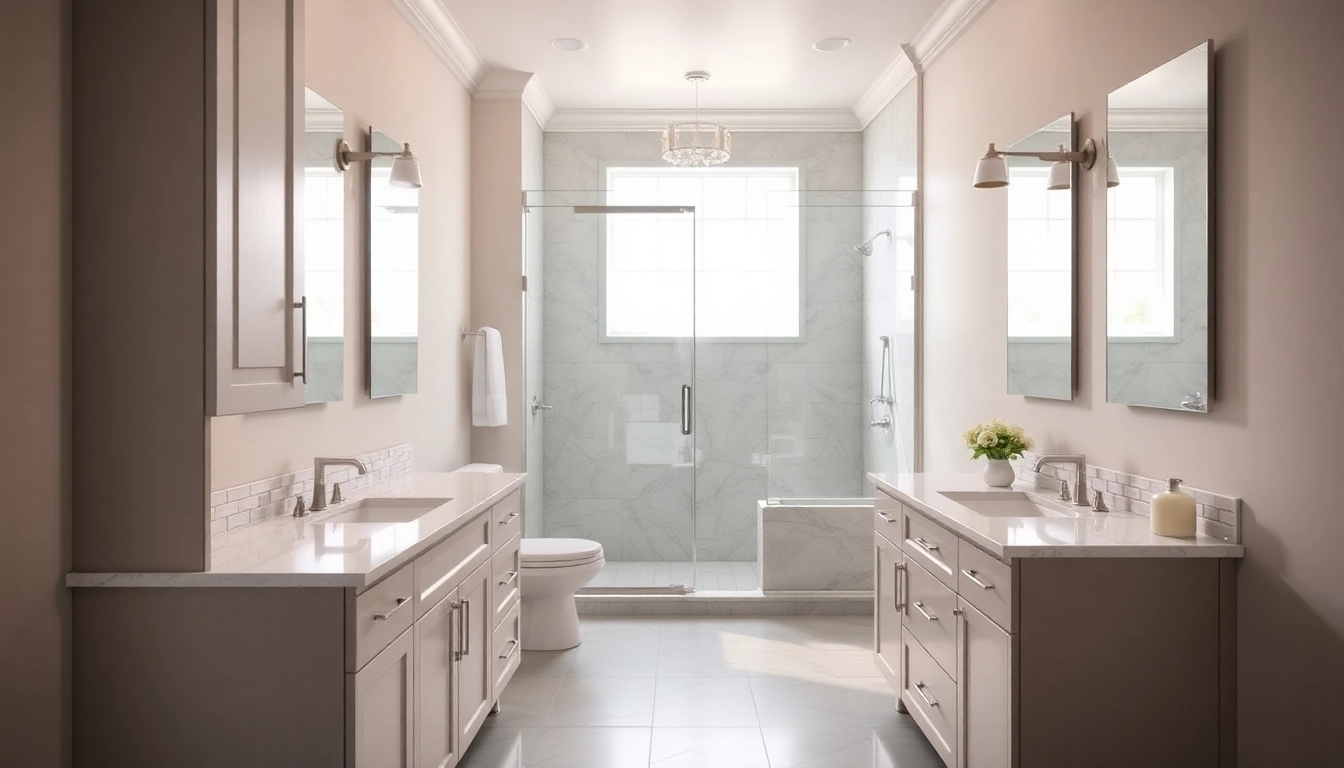
- Sinks: Options range from pedestal sinks for a classic look to double vanities for shared bathrooms.
- Faucets: Choose stylish yet functional designs that complement the sink while ensuring ease of use.
- Showerheads and tubs: Water-saving options available, along with various styles that enhance bathing experiences.
Incorporating modern technologies such as touchless faucets can also add convenience and improve hygiene.
Durable Materials for Bathroom Surfaces
When selecting surface materials for walls, countertops, and other areas, durability and moisture resistance are key. Some excellent options include:
- Quartz: Non-porous, highly durable, and available in various styles, making it an ideal choice for countertops.
- Granite: Offers a luxurious aesthetic with high resistance to scratches but requires regular sealing.
- Water-resistant paint: Essential for walls to prevent peeling, especially in high-humidity locations.
Investing in durable materials upfront can save time and costs associated with frequent repairs or replacements.
Executing Your Bathroom Remodeling Plan
Finding and Hiring a Contractor
Finding the right contractor is pivotal to the success of your bathroom remodeling project. Here are some tips to consider:
- Research: Look for licensed and insured contractors with positive customer reviews.
- Get multiple quotes: Comparing estimates from different contractors can help ensure competitive pricing.
- Check references: Ask for examples of previous work and confirm that their style aligns with your expectations.
Good communication is vital; ensure your contractor understands your vision and that you can work together effectively throughout the project.
Timeline for Bathroom Remodeling Projects
The timeline for a bathroom remodeling project will vary based on the scope of the work, but generally, a complete remodel might take anywhere from 3 to 6 weeks. This includes:
- Initial consultations and planning: 1-2 weeks.
- Demolition: 1 week.
- Construction (plumbing, electrical, etc.): 1-3 weeks.
- Final touches (painting, flooring, fixtures): 1 week.
Allow for some flexibility in timing, as unforeseen issues can impact the scheduled workflow. Regular updates from your contractor can help manage expectations.
Common Challenges in Bathroom Remodeling
Despite thorough planning, challenges can arise during bathroom remodeling. Some common issues include:
- Unexpected costs: Hidden problems like water damage or outdated wiring may lead to increased expenses.
- Delays in material delivery: Ensure that all materials are ordered in advance, but also have a backup plan in case of delays.
- Design discrepancies: Changes in the initial design concept can cause frustrations; communication with your contractor is essential.
By staying adaptable and maintaining open communication, many of these challenges can be navigated successfully.
Final Touches and Maintenance Post-Renovation
Decorating Your Newly Remodeled Bathroom
The final touches in a bathroom remodel often define the space’s character. Consider these decorating tips:
- Accessorize thoughtfully: Invest in quality towels, rugs, and shower curtains that complement your color scheme.
- Incorporate art or personal touches: Adding artwork or decorative elements can enhance the overall aesthetic.
- Lighting selections: Layered lighting can transform the mood. Consider wall sconces, recessed lights, and vanity lights for versatility.
Don’t forget to include functional elements that add convenience while enhancing beauty.
Long-Term Maintenance Tips
To ensure the longevity of your newly remodeled bathroom, proper maintenance is essential. Here are some tips to help:
- Regular cleaning: Keep surfaces clean to prevent mold and mildew growth in wet areas.
- Inspect grout and sealants: Regular checks and resealing can help keep plumbing secure and ensure waterproofing is effective.
- Address leaks promptly: Early detection of leaks prevents larger issues like water damage or mold.
Creating a simple routine can help maintain the integrity and appearance of your bathroom for years to come.
Energy Efficiency in Bathroom Design
Incorporating energy-efficient features not only reduces environmental impact but also saves money over time. Consider these options:
- Low-flow fixtures: Installing low-flow toilets, faucets, and showerheads can minimize water usage.
- LED lighting: Energy-efficient bulbs provide better illumination and lower energy bills.
- Insulation: Properly insulating walls and minimizing drafty windows can stabilize indoor temperatures.
Energy-efficient designs enhance the overall functionality of the bathroom while reducing operational costs.
FAQs About Bathroom Remodeling
What is the average cost of bathroom remodeling?
The average bathroom remodeling cost ranges from $10,000 to $25,000, depending on size and materials.
How long does a bathroom remodeling project take?
Bathroom remodeling typically takes 3 to 6 weeks, depending on the scope, contractor availability, and material delivery.
Do I need a permit for bathroom remodeling?
Yes, most local jurisdictions require permits for significant changes such as plumbing or electrical work in bathroom remodeling.
What style should I choose for my bathroom remodel?
Consider your home’s overall style, personal preferences, and functionality when choosing a style for your bathroom remodeling.
How can I make my bathroom feel more spacious?
Use light colors, large mirrors, and effective storage solutions to create the illusion of space in your bathroom remodeling.