 Home and Garden
Buy Water Lilies Walkthrough: A Comprehensive Guide for Garden…
The Beauty of Water Lilies: An Introduction
Water lilies, with their stunning blooms and lush foliage, have long captivated the hearts of garden enthusiasts and pond owners alike. Their serene presence transforms a simple pond into a tranquil oasis, making them one of the most sought-after aquatic plants. Whether you’re a novice gardener or an experienced horticulturist, knowing why and how to Buy Water Lilies can significantly enhance your indoor or outdoor water feature. This guide will delve into the essentials of water lilies, their history, and their importance in modern gardening.
What are Water Lilies?
Water lilies, belonging to the family Nymphaeaceae, are perennial flowering plants that thrive in freshwater environments. They are characterized by their large, flat leaves that float on the water’s surface and their beautiful, fragrant flowers that bloom between late spring and early fall. These plants are well-adapted to a variety of climates, with two primary categories: hardy and tropical water lilies, each offering unique benefits and aesthetic contributions to any pond.
History and Significance in Gardening
The historical roots of water lilies can be traced back to ancient civilizations, with depictions found in Egyptian hieroglyphs and ancient Greek texts. Revered for their beauty and medicinal properties, these plants symbolize purity and tranquility. Over centuries, water lilies have been cultivated extensively, leading to the development of hybrid varieties that showcase a breathtaking array of colors and sizes, thus solidifying their place in modern landscaping and gardening.
Why Buy Water Lilies for Your Pond?
Investing in water lilies offers numerous advantages. Firstly, they provide excellent shade for fish, reducing algae growth by limiting sunlight penetration into the water. Secondly, their stunning blooms create visual interest, enhancing the pond’s overall aesthetics. Additionally, water lilies contribute to water quality by absorbing excess nutrients and providing habitat for beneficial microorganisms. Lastly, their presence can attract pollinators, such as bees and butterflies, enriching the local ecosystem.
Choosing the Right Water Lilies
Types of Water Lilies: Hardy vs. Tropical
When selecting water lilies, understanding the difference between hardy and tropical varieties is crucial. Hardy water lilies are robust and can withstand colder temperatures, making them suitable for most temperate climates. Conversely, tropical water lilies thrive in warm conditions and typically produce larger, more fragrant flowers. When choosing, consider your climate, pond depth, and desired aesthetic.
Color Varieties and Their Effects on Pond Aesthetics
Water lilies come in an impressive array of colors, ranging from vibrant pinks and yellows to soft whites and purples. When planning your pond’s design, think about color combinations and how they can influence the overall mood and appeal of your water feature. For instance, pairing darker hues with lighter shades can create a stunning contrast that enhances visual interest.
Factors to Consider Before Purchase
Before purchasing water lilies, consider factors such as pond size, water depth, and sunlight exposure. Hardy lilies generally need 12-30 inches of water above their crowns, while tropical varieties prefer warmer water temperatures and more sunlight. Additionally, assess your pond’s ecosystem, as the presence of fish and other aquatic life can influence the health and growth of your plants.
Where to Buy Water Lilies: Top Sources
Online vs. Local Garden Centers
When it comes to sourcing water lilies, you have several options. Local garden centers often provide a selection of native varieties, allowing you to see the plants in person before making a purchase. However, online retailers can offer a broader selection, including rare and hybrid varieties that may not be available locally. Consider your preferences and the specific needs of your pond before deciding where to buy.
Reputable Vendors and Trusted Brands
When choosing a vendor, look for those specializing in aquatic plants, as they can provide invaluable advice and support. Some reputable brands have established a strong reputation for quality and customer service, ensuring a positive purchasing experience. Reading customer reviews and seeking recommendations can also help you find trusted sources for your water lily purchase.
Seasonal Availability and Pricing
Water lilies are typically available in spring, aligning with planting season. Prices can vary based on the type, size, and variety, so it’s wise to compare options from different sources. Be aware that purchasing during peak season may lead to higher prices, while off-season shopping could provide opportunities for discounts on remaining stock.
Planting and Caring for Your Water Lilies
Step-by-Step Planting Guide
Planting water lilies requires careful attention to detail to ensure their successful establishment. Follow these steps for optimal results:
- Select the right planting container, ideally a wide, shallow pot with drainage holes.
- Fill the container with aquatic planting soil, leaving space for the rhizome.
- Place the water lily’s rhizome horizontally in the container, covering it lightly with soil.
- Add small stones on top to prevent the soil from washing away.
- Submerge the container in your pond at a depth conducive to the lily variety.
Recommended Care Tips for Thriving Plants
To ensure your water lilies thrive, adhere to the following care tips:
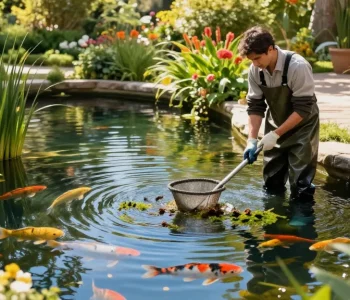
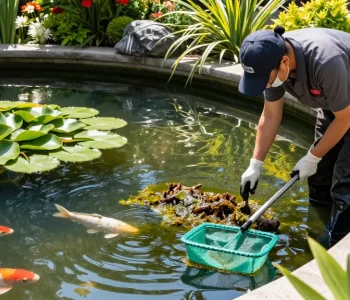
- Regularly check for algae and debris around the plants, as this can hinder their growth.
- Fertilize your water lilies during the growing season with aquatic plant fertilizer.
- Monitor water levels and quality, ensuring that your pond is adequately filtered and aerated.
- Prune dead or yellowing leaves to promote new growth and maintain visual appeal.
Common Problems and Troubleshooting
Despite their resilience, water lilies can encounter issues such as poor growth, yellow leaves, or pest infestations. Common problems often stem from inadequate light, improper planting depth, or nutrient imbalances. Regular monitoring and early intervention can often resolve these challenges, ensuring your water lilies remain healthy and vibrant.
Enhancing Your Pond Experience
Creating a Habitat for Wildlife
Water lilies not only beautify your pond but also serve as a habitat for various wildlife. By incorporating native aquatic plants and allowing some natural vegetation to flourish, you can create a balanced ecosystem that attracts frogs, birds, and beneficial insects. These organisms contribute to the pond’s health and can help control pests naturally.
Combining Water Lilies with Other Aquatic Plants
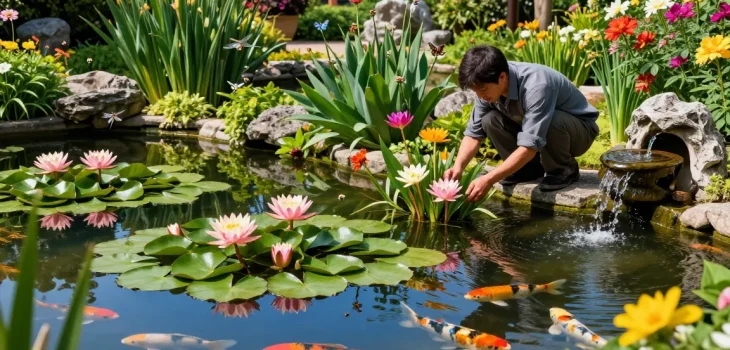
To enhance the ecological benefits and aesthetics of your pond, consider combining water lilies with other aquatic plants. Marginal plants, such as cattails and irises, can provide additional shelter for wildlife, while submerged plants can improve water clarity and oxygen levels. A diverse plant palette ensures a thriving aquatic environment and adds layers of beauty.
Future Trends in Pond Gardening for 2026
As gardening practices evolve, trends for 2026 are emerging, focusing on sustainability and biodiversity. More gardeners are embracing eco-friendly practices, such as using native plants, creating natural filtration systems, and minimizing chemical usage. Water lilies will remain a staple in sustainable pond designs, as their contribution to both aesthetics and ecosystem health continues to be recognized.
How do I plant water lilies?
Planting water lilies involves choosing the right container, filling it with aquatic soil, and submerging it in the appropriate pond depth.
What conditions do water lilies thrive in?
Water lilies thrive in full sun to partial shade and prefer water depths that vary based on their type, typically between 12 and 30 inches.
Can water lilies survive winter?
Hardy water lilies can survive winter by remaining submerged below the ice, while tropical varieties need to be moved indoors or to a warmer location.
What are the best companion plants for water lilies?
Companion plants like irises, cattails, and submerged vegetative species work well with water lilies, enhancing the pond’s aesthetic and ecological balance.
How can I maintain the health of my pond plants?
Regular maintenance, including checking water quality, pruning dead foliage, and monitoring for pests, is essential for the health of your pond plants.