 Home and Garden
7 Reasons Buy Water Lilies Dominates Garden Aesthetics in…
The Allure of Water Lilies in Garden Design
The enchanting beauty of water lilies makes them a staple in garden design, particularly in aquatic settings. Known for their stunning blooms and tranquil foliage, water lilies not only add a touch of elegance to any pond but also play a pivotal role in creating a balanced ecosystem. As we approach 2026, more gardeners are recognizing the aesthetic and ecological benefits of these captivating plants. For those interested in enhancing their garden, Buy Water Lilies has become a popular choice among plant enthusiasts.
1. Enhancing Aesthetic Appeal with Water Lilies
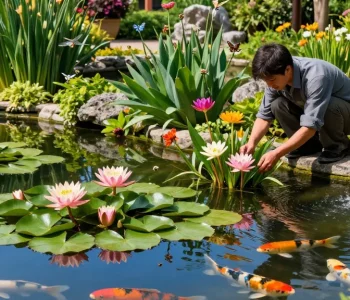
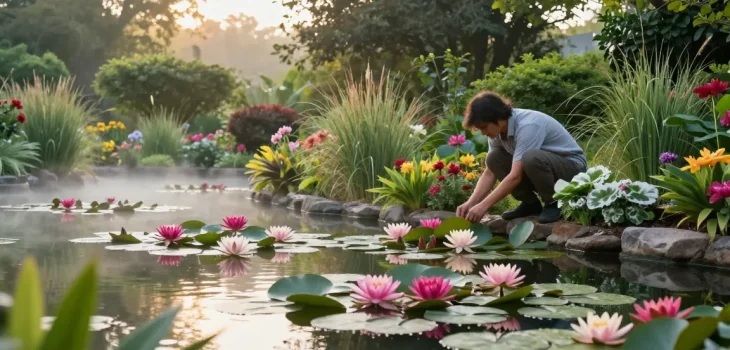
Water lilies are often regarded as the jewels of the pond ecosystem. Their large, vibrant blooms can transform a simple water feature into a breathtaking focal point. Ranging from pure whites to radiant pinks and deep blues, these flowers flourish in various hues, allowing gardeners to select varieties that complement their existing landscape. Moreover, the floating leaves create a serene surface cover that reflects light beautifully, enhancing the overall visual impact of the garden.
2. Benefits of Planting Water Lilies in Your Pond
The advantages of integrating water lilies into your pond extend beyond aesthetics. These aquatic plants contribute to pond health by providing shade, which helps in regulating water temperature and reducing algae growth. Furthermore, they serve as a habitat for various wildlife, including frogs and beneficial insects. In addition, their root systems play a vital role in stabilizing sediments and improving water quality, thus fostering a vibrant aquatic ecosystem.
3. Trends in Water Lily Varieties for 2026
Looking ahead to 2026, the trends in water lily varieties are expected to reflect a growing interest in biodiversity and sustainability. Some of the anticipated popular varieties include hardy and tropical species that showcase unique petal arrangements and variegated foliage. Additionally, the demand for native water lilies is likely to increase as gardeners become more environmentally conscious and seek to support local ecosystems.
Choosing the Right Water Lilies for Your Environment
Selecting the appropriate water lilies for your garden requires an understanding of both your environmental conditions and the specific needs of the plants. Consider factors such as sunlight availability, pond depth, and climate as these will influence your choice.
1. Factors to Consider When Selecting Water Lilies
When choosing water lilies, analyze the amount of sunlight your pond receives daily. Most varieties thrive in full sun; however, some can tolerate partial shade. Additionally, assess the depth of your pond; different water lilies have specific depth requirements for optimal growth. Ensuring that the conditions match the needs of your selected variety will enhance your success.
2. Best Practices for Planting Water Lilies
To establish healthy water lilies, consider planting them in heavy pots filled with aquatic soil to prevent their roots from escaping into the muddy pond bottom. Position the pots in shallow water, ensuring that the crowns of the plants are just below the surface. Regularly monitor the plants for growth and adjust their placement as necessary, especially if they begin to outgrow their initial location.
3. Common Varieties and Their Unique Features
Among the popular water lily varieties are the *Nymphaea* (hardy varieties) and *Nymphaea odorata* (American white water lily). Hardy varieties are known for their resilience in colder climates, while tropical varieties, like *Nymphaea ‘Blue Lotus’*, are cherished for their vivid colors and fragrances. Each variety offers unique features that can enhance the garden’s appeal and suit various aquatic conditions.
Care and Maintenance of Water Lilies
Once you have successfully planted your water lilies, proper maintenance is crucial for their health and longevity. Regular care practices ensure that these stunning plants flourish throughout the growing season.
1. Essential Maintenance Tips for Healthy Blooms
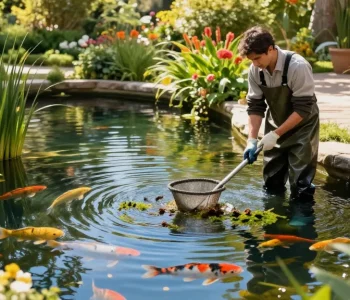
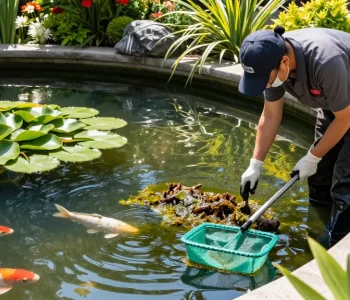
To encourage vibrant blooms, ensure that your water lilies receive adequate nutrients. Applying a balanced aquatic fertilizer in early spring can promote healthy growth. Additionally, remove any dead foliage and spent flowers to maintain cleanliness and prevent disease.
2. Water Quality and Its Effects on Water Lilies
The quality of water plays a significant role in the health of your water lilies. Regularly test for pH levels and nutrient concentrations; ideally, the pH should range between 6.5 and 7.5. Maintaining clear, healthy water will help prevent the growth of algae, ensuring your water lilies remain the stars of the pond.
3. Identifying and Managing Pests and Diseases
While water lilies are generally hardy, they can fall prey to pests such as aphids and snails. Regular inspections will help you catch any infestations early. Additionally, be aware of fungal diseases that may affect the leaves. If necessary, use organic insecticides that are safe for aquatic environments to manage these issues while protecting your pond ecosystem.
Landscaping Ideas Featuring Water Lilies
The integration of water lilies into garden design can create stunning landscapes that invite serenity and beauty. Here are some creative landscaping ideas that maximize their aesthetic potential.
1. Integrating Water Lilies into Your Garden Landscape
Create a harmonious landscape by positioning your pond as a central element in your garden. Surround it with stones, aquatic grasses, and other aquatic plants to create a naturalistic look. Water lilies can be strategically placed to ensure visibility from various angles, drawing the eye and enhancing the garden’s beauty.
2. Creating a Tranquil Space with Water Features
Adding water features such as fountains or waterfalls can amplify the tranquil atmosphere that water lilies provide. The sound of flowing water combined with the sight of beautiful blooms can create an oasis of peace, perfect for relaxation and contemplation.
3. Seasonal Display Options for Water Lilies
Water lilies not only bring beauty in the summer but can also be designed for seasonal interest. Consider planting early-flowering varieties alongside late-bloomers to ensure continuous color throughout the growing season. Additionally, incorporating fall foliage plants can create an appealing transition as the seasons change.
Future Trends in Aquatic Gardening
The realm of aquatic gardening is evolving, with new trends and practices taking root as we approach 2026. Growers are seeking innovative ways to cultivate water lilies while being mindful of environmental sustainability.
1. Sustainability Practices in Water Lily Cultivation
As awareness of environmental issues increases, sustainable practices in water lily cultivation are becoming essential. Techniques such as rainwater harvesting for pond maintenance and the use of organic fertilizers will help promote eco-friendly gardening. Additionally, encouraging biodiversity by planting native water lilies can enhance local ecosystems.
2. Innovative Technologies for Pond Management
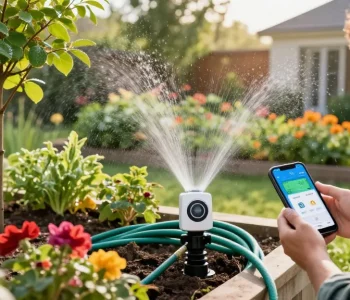
The adoption of technology in pond management is gaining traction. Tools such as automated water quality sensors and pond management apps allow gardeners to monitor conditions more efficiently. These innovations enable enthusiasts to maintain optimal environments for their water lilies and overall pond health.
3. Predictions for Water Gardening Trends in 2026
Looking into the future, water gardening is likely to become a focal point for landscape design. As urban gardening trends grow, water features, including water lilies, will be increasingly integrated into compact urban spaces. This shift will encourage a greater appreciation for aquatic plants and their role in sustainable gardening.
What are the best water lilies for small ponds?
For small ponds, compact varieties such as *Nymphaea ‘Perry’s Baby Red’* or *Nymphaea ‘Helvola’* are excellent choices due to their smaller size and charming blooms. These varieties can flourish in reduced space while still providing the beauty and benefits of larger water lilies.
How do I maintain my water lilies throughout the year?
Maintaining water lilies requires seasonal care. In spring, apply fertilizer and remove any dead leaves. During summer, monitor water quality and inspect for pests. In fall, cut back any overgrowth and prepare the pond for winter by ensuring water lilies are protected from freezing temperatures.
Can water lilies improve pond health?
Yes, water lilies play a crucial role in enhancing pond health. They provide shade, reducing water temperatures and algal blooms, while their roots filter water, improve oxygen levels, and support aquatic life.
Where can I buy quality water lilies?
Quality water lilies can typically be purchased at local garden centers or specialized aquatic plant retailers. Online options such as nursery websites also offer a wide selection to choose from, ensuring you can find the perfect water lilies for your pond.
What environmental conditions do water lilies need?
Water lilies thrive in full sun to partial shade and require still or slow-moving water. Ideally, the pond depth should be at least 12 inches to accommodate their root systems, and the water temperature should remain between 70-85°F for optimal growth.