 Home and Garden
wifi Sprinkler Controller Problems? Here Are the Expert Solutions…
Understanding the Benefits of a wifi Sprinkler Controller
In an era where water scarcity and efficient water management are of utmost importance, the introduction of a wifi sprinkler controller revolutionizes the way homeowners approach irrigation. These smart devices not only simplify the task of watering but also ensure that resource management is both effective and sustainable. By integrating modern technology into conventional gardening practices, users can achieve healthier plants while significantly reducing water waste.
How a wifi Sprinkler Controller Saves Water
One of the primary advantages of using a wifi sprinkler controller is its ability to optimize water usage. Traditional irrigation systems often lead to overwatering, either due to rigid schedules or inefficient monitoring. In contrast, smart controllers leverage weather data and soil moisture levels to tailor watering schedules precisely to the needs of the garden. This means that in rainy conditions, the system can skip watering altogether, saving both water and energy.
For example, a homeowner with a large garden can set their wifi sprinkler controller to monitor real-time weather updates. If rain is forecasted, the system can automatically adjust the watering schedule, preventing unnecessary water usage and ensuring that plants receive the right amount of moisture precisely when they need it.
Improving Plant Health with Smart Irrigation
Beyond water savings, the innovative technology of wifi sprinkler controllers enhances plant health significantly. These devices provide real-time data on soil moisture levels, allowing homeowners to avoid common pitfalls of over or underwatering. This not only fosters stronger plant growth but also contributes to lush gardens and vibrant landscapes.
Moreover, with precise watering schedules, plants receive consistent moisture, leading to healthier roots and improved nutrient uptake. Gardeners witness the transformation of their flowers, vegetables, and trees as they flourish under the care of a smart irrigation system.
The Convenience of Remote Control Features
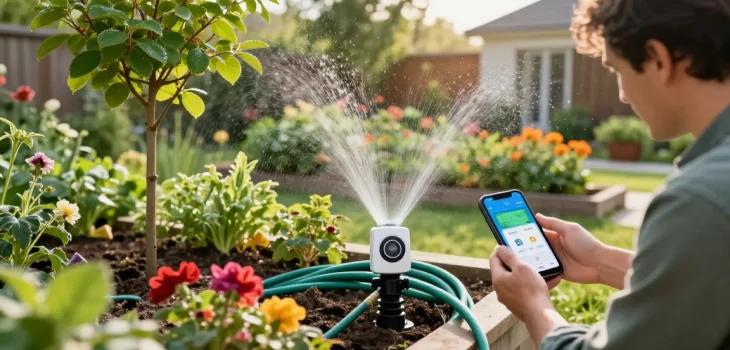
Another compelling benefit of wifi sprinkler controllers is the remote control capabilities they offer. Homeowners can manage their irrigation systems from anywhere via a smartphone app. This convenience is particularly appealing for those who travel frequently or have unpredictable schedules. Instead of worrying about whether the garden is being watered correctly, users can simply check their app and make adjustments on the go.
Additionally, many modern systems allow for voice-activated control through smart home devices, further integrating irrigation management into the daily routines of users. This level of convenience is redefining how we approach gardening and landscaping.
Common Challenges with Wifi Sprinkler Controllers
While the benefits of wifi sprinkler controllers are clear, they do come with their own set of challenges. Understanding these potential pitfalls can help users better navigate their experiences and optimize their systems effectively.
Connectivity Issues and Troubleshooting
One of the most reported challenges among users is connectivity issues. As wifi sprinkler controllers rely heavily on internet access to function, a weak or unstable connection can lead to disruptions in service. This can result in missed watering schedules or even the inability to monitor the system remotely.
To mitigate these problems, users should ensure their router covers the entire area of their garden. If necessary, investing in a range extender can improve connectivity. Moreover, regularly updating the controller’s firmware can also solve many connectivity issues.
Calibration Errors with Soil Sensors
Another challenge involves calibration errors with soil moisture sensors. While these sensors are designed to optimize watering, incorrect calibration can lead to under or overwatering, affecting plant health. Regular checks on sensor accuracy and recalibrating them as needed can help ensure reliable readings.
Overcoming User Setup Mistakes
Initial setup can be daunting for new users. Mistakes such as incorrect programming or failure to integrate with other smart home devices can lead to frustration. However, many manufacturers provide helpful guides and customer support options. Utilizing these resources can smooth out the setup process and enhance overall user experience.
Best Practices for Utilizing a Wifi Sprinkler Controller
To fully leverage the capabilities of a wifi sprinkler controller, it’s essential to follow best practices that ensure optimal performance and maximum benefits.
Setting Up Optimal Watering Schedules
Establishing the right watering schedule is crucial for both water conservation and plant health. Users should consider factors such as plant type, time of year, and local climate conditions. Most smart irrigation systems allow for customization and flexibility in setting these schedules, enabling users to tailor their watering routines effectively.
Integrating with Weather Forecast Data for Smart Watering
Utilizing weather forecast integration can significantly enhance the functionality of a wifi sprinkler controller. By linking local weather data, the system can adjust irrigation timings based on rain predictions, temperature fluctuations, and humidity levels. This proactive approach can lead to even greater water savings and ensure plants receive optimal care year-round.
Regular Maintenance Tips for Longevity
Like any technology, regular maintenance is essential for the longevity of wifi sprinkler controllers. Cleaning sensors and checking for any software updates can help maintain optimal functionality. Additionally, users should regularly inspect hoses and connections for leaks or wear, ensuring efficient operation and preventing water wastage.
Real-World Applications: Case Studies
Real-world examples can provide valuable insights into how wifi sprinkler controllers improve gardening experiences. Homeowners and commercial users alike have reported significant benefits from adopting this technology.
Homeowners Who Achieved Thriving Gardens
Many homeowners have transformed their landscapes with wifi sprinkler controllers. One user, who manages a diverse garden with various plant species, reported a remarkable improvement in plant health. By adjusting watering schedules based on real-time moisture data, the gardener minimized water waste and maximized the growth potential of their plants.
Commercial Users Maximizing Efficiency
Commercial operations, such as golf courses and nurseries, also benefit greatly from smart irrigation systems. Efficient water usage not only lowers costs but also enhances the quality of the landscapes they maintain. These businesses often report a return on investment within months of implementing wifi sprinkler controllers.
Comparative Analysis: Traditional vs. Smart Systems
Comparing traditional irrigation systems with wifi-enabled ones reveals significant advantages. Traditional systems often rely on rigid schedules that do not account for changing weather conditions. In contrast, smart systems offer adaptability, precision, and efficient water management, ultimately leading to healthier landscapes and reduced operational costs.
Future Trends and Innovations in Smart Irrigation
The landscape of smart irrigation is continually evolving, with exciting innovations on the horizon. Understanding these trends can prepare homeowners and businesses alike for future enhancements in irrigation technology.
The Role of AI in Enhancing Controller Features
Artificial intelligence is poised to play a significant role in the development of wifi sprinkler controllers. Future systems may incorporate advanced algorithms that analyze vast amounts of data to predict plant needs more accurately, adjusting irrigation schedules in real time based on growth patterns and environmental changes.
Environmental Sustainability and Water Conservation Goals
As global awareness regarding water scarcity grows, smart irrigation technologies will continue to align with sustainability goals. Manufacturers will increasingly focus on creating solutions that not only conserve water but also promote healthier ecosystems.
Predictions for Wifi Sprinkler Technology in 2026 and Beyond
Looking ahead, we can expect wifi sprinkler technology to become even more integrated with smart home systems. Features such as voice activation, remote monitoring, and advanced sensor technologies will likely become standard. As technology advances, the efficiency and effectiveness of these systems will continue to improve, leading to an even greater impact on water conservation and plant health.
What are the main benefits of using a wifi sprinkler controller?
The main benefits of using a wifi sprinkler controller include improved water efficiency, enhanced plant health, and the convenience of remote monitoring and control. By utilizing real-time data, these systems adapt watering schedules to meet the specific needs of plants while conserving valuable water resources.
How can I troubleshoot connectivity issues with my wifi sprinkler controller?
To troubleshoot connectivity issues, first, ensure your internet connection is stable and that your controller is within range of the router. Restarting the device or updating firmware can often resolve connectivity problems. If issues persist, consult the manufacturer’s customer support for specific guidance.
What are some common mistakes when setting up a wifi sprinkler controller?
Common mistakes include not correctly calibrating soil sensors, failing to integrate weather data, and improper programming of watering schedules. Utilizing manufacturer guides and resources can help newcomers avoid these common pitfalls.
How do smart irrigation systems improve plant health?
Smart irrigation systems improve plant health by providing consistent moisture levels tailored to each plant’s needs, preventing both overwatering and underwatering. They employ sensors and weather data to optimize watering schedules, ensuring plants thrive in their environments.
What future technologies can we expect in smart irrigation?
Future technologies in smart irrigation may include advanced AI-driven analytics that predict watering needs based on environmental data, enhanced sensor technologies for precise soil moisture monitoring, and seamless integration with smart home systems for automated irrigation management.