
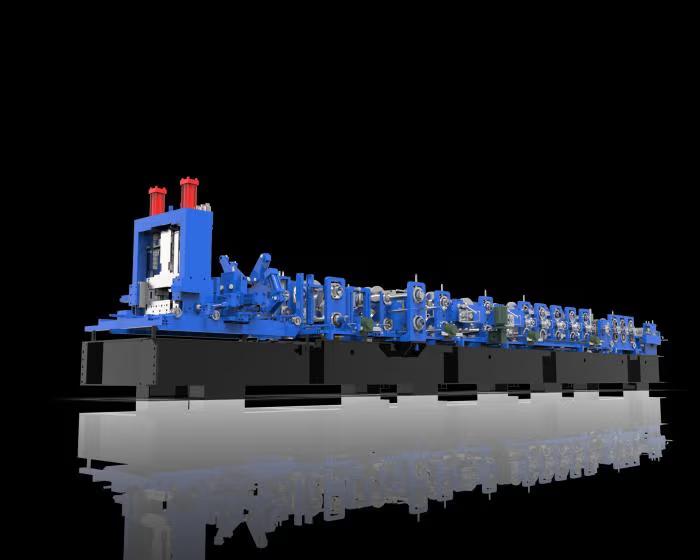
As manufacturing industries continue to embrace digital transformation, Industry 4.0 is reshaping production processes across the globe. Advanced technologies such as automation, data analytics, smart monitoring systems, and interconnected machinery are helping manufacturers improve efficiency, productivity, and product quality. In the roll forming sector, these innovations are creating new opportunities for businesses to optimize operations and remain competitive in an increasingly demanding market.
Industry 4.0 technologies are transforming traditional roll forming operations into intelligent manufacturing systems capable of delivering greater accuracy and operational control. Modern equipment such as a cold formed steel machine and curving machine is increasingly integrated with smart technologies that support real-time monitoring, automated decision-making, and improved production performance.
Understanding Industry 4.0 in Manufacturing
Industry 4.0 refers to the integration of digital technologies into manufacturing environments. It combines automation, machine connectivity, artificial intelligence, and data-driven processes to create smarter and more efficient production systems.
For roll forming manufacturers, Industry 4.0 offers the ability to monitor machine performance continuously, analyze production data, and optimize operations with greater precision. These capabilities help businesses improve efficiency while reducing operational challenges.
As digital transformation accelerates across industries, Industry 4.0 is becoming a key driver of manufacturing innovation.
Benefits of Industry 4.0 in Roll Forming Manufacturing
Enhanced Production Efficiency
Smart manufacturing systems allow machines to operate with greater accuracy and coordination. Automated controls help optimize production workflows and reduce unnecessary interruptions.
Improved efficiency enables manufacturers to increase output while maintaining consistent quality standards.
Real-Time Monitoring and Data Analysis
Industry 4.0 technologies provide continuous access to production data. Manufacturers can monitor machine performance, identify trends, and respond quickly to potential issues.
Real-time insights help improve operational decision-making and production reliability.
Improved Product Quality
Advanced sensors and intelligent control systems help maintain precise production conditions throughout the roll forming process. Consistent monitoring ensures that steel profiles meet required specifications.
Higher product quality supports customer satisfaction and reduces manufacturing defects.
Reduced Downtime
Predictive maintenance capabilities allow manufacturers to identify potential equipment problems before they lead to production interruptions. Early detection helps minimize downtime and improve machine reliability.
This contributes to smoother operations and better production planning.
Greater Manufacturing Flexibility
Industry 4.0 technologies enable manufacturers to adapt more easily to changing production requirements. Smart systems support efficient setup adjustments and improved process control.
This flexibility allows businesses to respond quickly to evolving customer demands.
Applications of Industry 4.0 in Roll Forming
Industry 4.0 solutions are helping improve the production of components used in:
- Commercial buildings
- Industrial facilities
- Warehouses and logistics centers
- Agricultural structures
- Roofing systems
- Wall cladding applications
- Steel framing systems
- Infrastructure developments
These applications benefit from the increased accuracy, efficiency, and reliability provided by smart manufacturing technologies.
Choosing the Right Industry 4.0-Ready Equipment
Manufacturers seeking to benefit from Industry 4.0 should evaluate equipment based on factors such as automation capabilities, machine connectivity, data monitoring features, production flexibility, and long-term reliability.
Businesses investing in a cold formed steel machine should consider whether the equipment supports digital integration and advanced process monitoring. Likewise, a curving machine equipped with smart controls can provide greater accuracy and operational efficiency for specialized manufacturing applications.
Selecting technology-ready equipment helps manufacturers prepare for future industry developments while maximizing current production performance.
Conclusion
Industry 4.0 is transforming roll forming manufacturing by introducing smarter, more connected production systems that improve efficiency, quality, and operational control. Through real-time monitoring, predictive maintenance, automation, and data-driven decision-making, manufacturers can achieve significant performance improvements and remain competitive in a rapidly changing marketplace.
Whether utilizing a cold formed steel machine for structural steel production or a curving machine for specialized applications, Industry 4.0 technologies provide valuable opportunities to enhance manufacturing capabilities. As digital transformation continues to advance, smart manufacturing will play an increasingly important role in the future success of the roll forming industry.