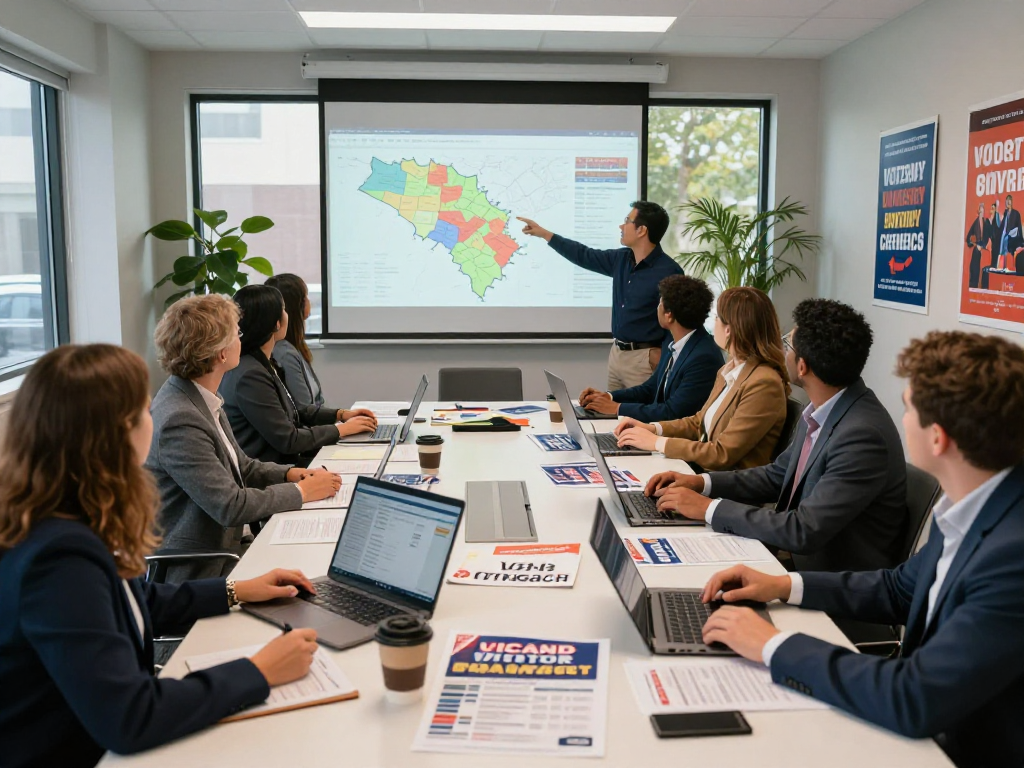
Understanding the Role of Manhattan Construction Manager
The role of a Manhattan Construction Manager is pivotal in ensuring that construction projects are executed efficiently and effectively. As the central figure within a project team, the construction manager bridges the gap between the client and the various contractors involved. In this section, we will delve into the key responsibilities and functions of a Manhattan Construction Manager, highlight the essential skills and qualifications required for success, and outline the critical importance of communication in construction management.
Key Responsibilities and Functions
The responsibilities of a Manhattan Construction Manager can be extensive and vary significantly depending on the scale and complexity of the project. However, several core functions remain consistent across different projects:
- Project Planning: This involves setting project goals, determining timelines, and establishing budgets. A construction manager develops a comprehensive project plan that includes all critical aspects of the project, from initiation to completion.
- Supervision: Oversight of construction activities is paramount. The manager ensures that work progresses according to the project schedule and meets quality standards. This supervision includes managing site workers, subcontractors, and vendors.
- Collaboration: A successful construction project often hinges on coordinated efforts. The construction manager collaborates with architects, engineers, and clients to ensure that everyone is aligned with the project vision.
- Risk Management: Identifying potential risks and developing mitigation strategies is another significant responsibility. The construction manager must anticipate challenges that may arise during the project lifecycle and have contingency plans in place.
- Compliance: Ensuring that all construction activities comply with local regulations, building codes, and safety standards is a crucial part of the job.
Essential Skills and Qualifications
To execute these responsibilities effectively, a Manhattan Construction Manager must possess a unique blend of skills and qualifications:
- Education: A degree in construction management, civil engineering, or a related field is typically required. Advanced degrees or certifications can boost a manager’s credibility.
- Experience: Practical experience in construction is invaluable. Many managers progress through the ranks, gaining hands-on experience in various construction trades.
- Leadership Skills: Strong leadership abilities are essential for motivating teams and managing people from diverse backgrounds and roles.
- Technical Proficiency: Familiarity with construction processes, safety regulations, and project management software is necessary.
- Communication: Effective communication skills are vital for conveying information clearly and engaging with diverse stakeholders.
Importance of Communication in Construction Management
Communication is a cornerstone of effective construction management. A Manhattan Construction Manager must facilitate open lines of communication among all project stakeholders, including clients, subcontractors, and government entities. Regular meetings and updates help ensure that everyone is informed about project status, changes, and challenges. Moreover, timely communication can prevent misunderstandings and reduce the risk of conflicts, ensuring a smoother project flow.
Best Practices for Effective Project Management
Implementing best practices is crucial for achieving successful construction outcomes. Here, we outline key strategies that Manhattan Construction Managers can adopt to enhance project efficiency.
Setting Clear Goals and Objectives
Establishing clear, measurable goals and objectives at the project's outset helps steer the entire team in the right direction. These goals should align with the client's vision and requirements. Here are some ways to ensure clarity:
- Utilize SMART criteria (Specific, Measurable, Achievable, Relevant, Time-bound) to define project goals.
- Communicate goals to all team members during the planning phase to ensure everyone is onboard.
- Regularly revisit and adjust goals as necessary throughout the project's lifecycle.
Utilizing Technology for Efficiency
Incorporating technology into construction management processes can significantly enhance efficiency and productivity. Various tools and platforms are available to assist construction managers:
- Project Management Software: Solutions like BIM (Building Information Modeling) and ERP (Enterprise Resource Planning) can streamline collaboration and improve project visibility.
- Mobile Applications: Utilizing mobile apps allows teams to communicate effectively while on the job site, sharing updates and documentation instantaneously.
- Drones: Aerial site surveys and inspections conducted via drones can provide valuable insights into project progress and help identify potential issues before they become problematic.
Strategies for Risk Management in Projects
A proactive approach to risk management is essential for minimizing potential setbacks during construction. Key strategies include:
- Perform a thorough risk assessment at the project’s inception to identify possible challenges.
- Develop a risk management plan that outlines how to mitigate identified risks.
- Monitor risks continually throughout the project and adjust strategies as necessary to minimize their impact.
Collaboration Techniques for Successful Construction Projects
Collaboration among diverse stakeholders is vital in the realm of construction management. Here we explore effective strategies to enhance collaboration and teamwork.
Building Strong Relationships with Stakeholders
Establishing solid relationships with stakeholders fosters trust and enhances collaboration. Techniques to build strong relationships include:
- Conduct stakeholder mapping to identify all parties involved and their interests.
- Engage stakeholders early in the planning process to understand their needs and perspectives.
- Maintain transparency through regular updates and open lines of communication.
Effective Team Management Approaches
Managing a diverse team requires nuanced skills and approaches. To ensure effective team management, consider the following:
- Encourage collaborative decision-making by involving team members in discussions and solution-finding.
- Recognize and utilize individual strengths within the team to allocate tasks appropriately.
- Foster a positive team culture through team-building activities and open dialogue.
Conflict Resolution Strategies
Conflicts can arise on construction sites due to various factors, including differing opinions and high-pressure environments. Implement effective conflict resolution strategies, such as:
- Encourage constructive communication, prioritizing listening and empathy.
- Address conflicts promptly before they escalate by facilitating discussions among involved parties.
- Utilize mediation when necessary to facilitate fair and equitable resolutions.
Enhancing Efficiency and Productivity
Maximizing efficiency and productivity is vital for successful project completion. Below are methods Manhattan Construction Managers can employ to enhance these aspects:
Time Management Techniques
In construction, time is of the essence. Strategies to improve time management include:
- Creating a detailed project schedule that includes all tasks and dependencies.
- Utilizing Gantt charts or scheduling software to visualize project timelines.
- Implementing time-tracking tools to monitor progress and identify bottlenecks.
Resource Allocation and Optimization
Ensuring resources are allocated efficiently is crucial for project success. Techniques to optimize resource allocation include:
- Assessing project needs early to determine necessary resources.
- Scheduling resource use to avoid conflicts, ensuring machinery and workforce availability aligns with project needs.
- Conducting regular reviews to adjust resource allocation based on project progress.
Utilizing Lean Construction Principles
Implementing lean construction principles can help eliminate waste and increase value. Key steps include:
- Identifying areas of waste within processes and workflows to streamline operations.
- Encouraging team involvement in continuous improvement initiatives.
- Monitoring key performance indicators (KPIs) to measure efficiency gains.
Future Trends in Construction Management
As the construction industry evolves, staying abreast of future trends is essential for continuous improvement. Here we outline significant trends that may impact construction management.
The Impact of Sustainability on Building Practices
With growing awareness of environmental issues, sustainable building practices are becoming a top priority in construction. Trends include:
- Utilization of eco-friendly materials to decrease the ecological footprint of buildings.
- Implementing energy-efficient systems to reduce operational costs and enhance building performance.
- Adopting green certifications, such as LEED, as standards for construction quality.
Adapting to Technological Advancements
Emerging technologies are reshaping the construction landscape. Significant advancements include:
- Integration of Artificial Intelligence (AI) for predictive analysis and decision-making.
- Growth of IoT (Internet of Things) for real-time tracking of project elements and resources.
- Increased use of augmented and virtual reality for project visualization and client presentations.
The Growing Importance of Safety Protocols
Workplace safety remains a top priority within construction management. With rising regulations, emphasis on safety protocols is paramount:
- Implementing comprehensive safety management plans and training programs.
- Using technology, such as wearable safety devices, to monitor and improve site safety.
- Fostering a culture of safety that encourages employee involvement in safety practices.