
Blog

Choosing the Right Manhattan General Contractor

Qualities to Look For

When selecting a general contractor, consider the following qualities:

  • Experience: Look for a track record in the specific type of project you are undertaking.
  • Reputation: Research online reviews, testimonials, and references from past clients.
  • Communication Skills: Choose someone who is clear and responsive in their interactions.
  • Problem-Solving Abilities: An effective general contractor should demonstrate a proactive approach to challenges that arise during construction.

Questions to Ask Before Hiring

It’s essential to ask the right questions to assess potential contractors comprehensively:

  • What projects have you completed that are similar to mine?
  • Can you provide references from past clients?
  • What is your planned schedule for the project?
  • How do you handle changes in project scope or delays?
  • What measures do you take to ensure worker safety on-site?

Evaluating Experience and References

Once you’ve narrowed down your options, thoroughly evaluate their experience and references:

  • Look for diversity in their portfolio, indicating versatility and adaptability.
  • Speak directly to past clients about their experiences, focusing on communication, deadlines, and budget adherence.
  • Check if they have any industry certifications or memberships, which can indicate a commitment to excellence.

Common Challenges Faced by Manhattan General Contractors

Dealing with Regulations and Permits

Maneuvering through Manhattan’s complex building regulations and permit requirements can be a daunting task. Every contractor must stay current on local codes to avoid fines and delays. Establishing a relationship with local authorities can prove beneficial for navigating these hurdles efficiently.

Managing Project Budgets Effectively

Sticking to a budget in Manhattan’s competitive construction market is challenging due to fluctuating material costs and labor rates. Incorporating cost-control strategies, such as using value engineering during the design phase and diligent monitoring throughout construction, ensures that projects stay within financial limits.

Coordinating Multiple Subcontractors

Coordinating various subcontractors is a significant challenge that requires expertise. Miscommunication can lead to delays and increased costs. Successful general contractors implement scheduling tools and regular meetings to streamline processes and uphold quality standards.

Best Practices for Manhattan General Contractors

Implementing Efficient Communication Systems

Strong communication is key in any construction project. Utilizing tools like project management software can improve collaboration among team members and keep all parties informed about expectations, schedules, and updates. Regular check-ins can catch issues before they escalate.

Leveraging Technology in Construction

Today’s construction industry is increasingly relying on technology. From Building Information Modeling (BIM) to drones for site inspections, these tools enhance efficiency and accuracy, allowing for real-time assessments and minimizing human error in construction projects.

Ensuring Safety Standards on Site

Safety cannot be compromised in construction, especially in urban settings like Manhattan. General contractors must implement comprehensive safety training for all workers, perform regular audits, and ensure compliance with OSHA regulations to protect their team and reduce liability risks.

Evaluating Project Success with a Manhattan General Contractor

Key Performance Indicators to Monitor

To measure the success of a construction project, it’s important to track relevant performance indicators. Important KPIs include:

  • Budget Adherence: Percentage of the actual cost versus the estimated budget.
  • Schedule Compliance: Ability to meet deadlines as per the project timeline.
  • Quality Control: Rate of compliance with industry standards and client satisfaction.

Gathering Feedback for Continuous Improvement

After project completion, gathering feedback is critical for growth. Conduct post-project evaluations with team members and clients to identify areas of success and opportunities for improvement. This information can guide future projects, enhancing overall performance.

Case Studies of Successful Projects

Examining successful past projects offers valuable insights. For instance, a project that adopted a streamlined communication process resulted in fewer miscommunications and achieved on-time completion. Analyzing such cases allows general contractors to replicate successful strategies in future work.

FAQs about Manhattan General Contractor

What is the average cost of hiring a general contractor in Manhattan?

The cost can vary greatly depending on the project size and complexity but typically ranges between 10% to 20% of the total construction cost.

How long does it take to complete a project?

Project timelines vary based on scope, but most residential projects can take anywhere from a few months to a year, depending on complexity and permitting processes.

Do I need to be present during the construction process?

While regular updates from the contractor are essential, it’s not necessary to be present on-site. Scheduled check-ins can provide sufficient oversight.

Can I hire subcontractors directly?

While possible, hiring subcontractors directly can lead to complications. It’s usually better to work through a general contractor for smooth coordination and project management.

What should I do if issues arise during construction?

Immediate communication with your contractor is key. Discuss the issue openly and collaboratively seek solutions to prevent escalation and delays.

Enhance your space with a sunny shower USA in a vibrant outdoor garden setting. Home and Garden

Elevate Your Outdoors with a Sunny Shower USA Experience

Introduction to Sunny Shower USA

Imagine stepping into your own oasis right in your backyard; a place where you can wash away the stress of the day under a warm stream of water, surrounded by nature. This dream can become a reality with a sunny shower USA. Outdoor showers have become increasingly popular, offering a unique blend of relaxation and practicality. Let’s dive into what outdoor showers entail, their benefits, and how you can transform your space.

Understanding Outdoor Showers

Outdoor showers are more than just a place to rinse off; they serve multiple purposes. Primarily, they are employed for rinsing off after swimming in a pool or the ocean, helping to keep dirt and salt from being tracked into your home. However, the aesthetic and experiential benefits are substantial. An outdoor shower can elevate your outdoor living experience, providing a refreshing alternative to traditional indoor showers.

Benefits of a Sunny Shower USA

The advantages of adding a sunny shower USA to your property are numerous:

  • Enhances Outdoor Experience: The unique appeal of showering outside allows you to enjoy the fresh air and natural surroundings.
  • Convenience: Perfect for after beach days or gardening, minimizing the cleanup needed inside your home.
  • Increases Property Value: Well-designed outdoor spaces can significantly boost the overall value of your home.
  • Customization: Outdoor showers can be tailored to match your aesthetic preferences, sizes, and layouts, making them versatile additions to your backyard.
  • Eco-Friendly Option: Using efficient water-saving fixtures can help reduce your water bills.

Design Ideas for Your Space

When it comes to designing your sunny shower USA, the possibilities are endless. You might prefer a more rustic look with natural wooden materials, or perhaps a modern, sleek design using metal and tiles. Here are a few popular design trends:

  • Natural Materials: Incorporate wooden decking or stone to blend seamlessly with the environment.
  • Privacy Screens: Bamboo walls or lattice can provide privacy while maintaining the connection with nature.
  • Floral Surroundings: Landscaping around your shower area with lush greenery or colorful flowers can enhance your outdoor aesthetic.
  • Water Features: Consider adding a small pond or rocks to create a relaxing atmosphere.

Choosing the Right Location

Choosing the right location for your outdoor shower is crucial for ease of use, privacy, and enjoyment. Several factors should be considered to ensure that your sunny shower USA fits into your outdoor lifestyle perfectly.

Assessing Your Outdoor Area

Your first step is to evaluate your outdoor space. Consider factors like the layout of your yard, existing structures, and natural features. The ideal spot should be easily accessible yet discreet enough to provide privacy. It’s best to choose a location that’s close to your home for the water and drainage connections.

Privacy Considerations

While outdoor showers are refreshing, privacy is a significant concern. Depending on your neighborhood and your property layout, you may want to erect privacy walls or use landscaping to create a secluded area. Plants like tall grasses or shrubs can be strategically placed to ensure that your shower remains a private retreat.

Access to Water Supply

Proximity to a water source is a critical factor in your location choice. Whether you are connecting the shower to your home’s water supply or using a standalone system, ensure that plumbing is conveniently accessible. Additionally, consider drainage options to avoid pooling water around your shower area.

Installation Process for Sunny Shower USA

Once you’ve determined the perfect location for your outdoor shower, the next step is installation. The process may seem daunting, but with the right guidance, it can be a fulfilling DIY project or a manageable task for a professional plumber.

Step-by-Step Installation Guide

  1. Gather Tools and Materials: Compile a checklist of the necessary materials such as pipes, showerhead, faucet, and wall materials.
  2. Prepare the Site: Clear the area, leveling the ground and digging for drainage if necessary.
  3. Lay the Foundation: Set up a base using pavers, natural stone, or tiles to create a stable, attractive foundation for your shower.
  4. Install Plumbing: Connect the plumbing to your water source, ensuring proper fittings are used.
  5. Add the Shower Components: Install the showerhead and faucet, ensuring they are securely fastened and operational.
  6. Finishing Touches: Add decorative elements such as privacy walls, hooks for towels, and any additional features that fit your style.

Tools and Materials Needed

The successful installation of a sunny shower USA will require a specific set of tools and materials:

  • Showerhead and faucet
  • PVC or copper pipes (depending on your plumbing style)
  • Shovels for digging
  • Level for ground preparation
  • Power drill and screwdriver
  • Measuring tape
  • Sealant and waterproofing materials

Common Installation Challenges

During installation, you may face certain challenges relating to plumbing, drainage issues, or weather conditions. Here are some solutions:

  • Leaky Pipes: Ensure all connections are watertight and use proper sealants.
  • Poor Drainage: Ensure an appropriate slope away from the shower to encourage drainage.
  • Weather Conditions: Plan installations during mild weather to avoid complications from rainy or freezing conditions.

Maintenance Tips for Longevity

To keep your sunny shower USA in prime condition, regular maintenance is essential. This not only prolongs its lifespan but also ensures a pleasant experience every time you step outside.

Seasonal Maintenance Checks

Different seasons bring different maintenance challenges. Regularly check for any wear or damage, and clean your shower after heavy use, especially during the summer months. In the colder months, ensure proper insulation to prevent freezing.

Cleaning and Care Guidelines

Use natural cleaning agents, like vinegar or baking soda, instead of harsh chemicals that can damage materials like wood or stone. Regularly inspect and clear debris from the drain to avoid clogs. Ensure that all fixtures are functioning well and replace any worn-out parts promptly.

Keeping Water Flowing Smoothly

An important part of maintaining your outdoor shower is ensuring a consistent water flow. Check your plumbing systems periodically for leaks, corrosion, or blockages to prolong their function.

Frequently Asked Questions (FAQs)

What materials are best for a sunny shower USA?

The best materials include weather-resistant wood like teak, stainless steel, and durable composite materials. Each offers unique aesthetic and functional benefits suited for outdoor environments.

How can I ensure privacy in my outdoor shower?

Use fencing, decorative walls, or strategic landscaping with tall plants or shrubs to enhance privacy, making your outdoor shower a secluded space.

What is the average cost of installation?

The installation costs can vary significantly, typically ranging from $1,500 to $5,000, depending on the complexity, materials, and labor required.

Are outdoor showers suitable for cold weather?

Yes, outdoor showers can be used in cold weather, provided they are properly winterized. Consider using heated water lines or protective coverings to prevent freezing.

How do I winterize my sunny shower USA?

To winterize, shut off the water supply, drain all water lines, and insulate exposed fixtures. This will help protect against freezing and damage.

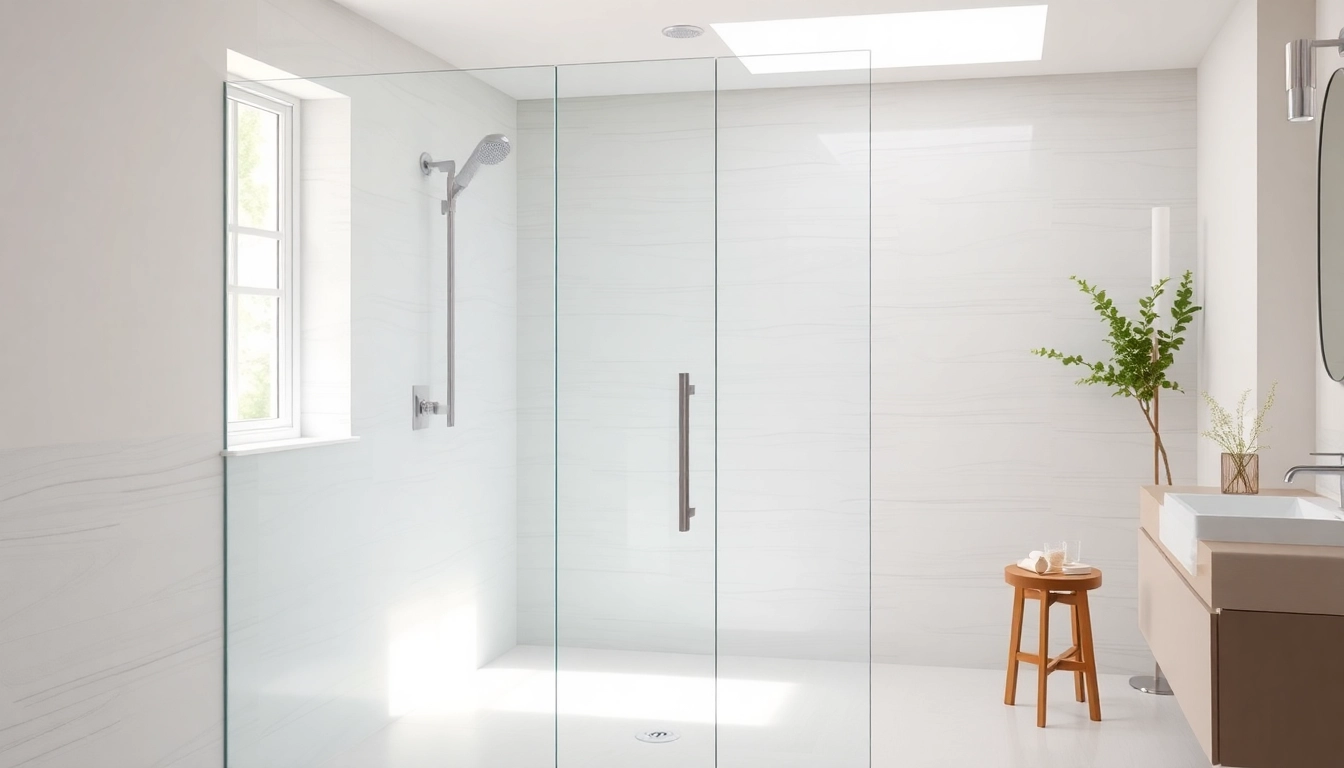
Showcasing glass shower doors reflecting modern design in a bright bathroom setting. Home and Garden

Enhancing Your Bathroom with Stylish Glass Shower Doors

1. Overview of Glass Shower Doors

Glass shower doors have transformed the way we view and utilize our bathrooms, fusing functionality with elegance. They serve as both a barrier and a design element, elevating the aesthetic of any space. One of the main appeals of glass shower doors is their ability to create a sense of openness in smaller bathrooms, making them an ideal choice for contemporary home designs. If you’re considering an upgrade, exploring the various glass shower doors options can be an exciting journey.

1.1 Types of Glass Shower Doors

Understanding the different types of glass shower doors available can greatly assist in making the right choice for your space. There are primarily three types:

  • Framed Shower Doors: These doors come with metal framing that provides added support and stability. They are often more cost-effective and suited for various bathroom styles.
  • Frameless Shower Doors: Offering a sleek and modern look, frameless doors use thicker glass with no frame, creating an illusion of space and allowing for maximum light penetration.
  • Semi-Frameless Shower Doors: A blend of both worlds, semi-frameless doors have a frame on one side while the other remains frameless, providing a balance between style and stability.

1.2 Benefits of Glass Shower Doors

The benefits of glass shower doors extend beyond mere aesthetics. Some key advantages include:

  • Enhanced Visibility: Glass doors enable a view of the shower, which can be particularly appealing if you have beautiful tile work or fixtures.
  • Easy Maintenance: Unlike curtains or fabric doors, glass is easy to clean and does not harbor mold or mildew.
  • Longevity: High-quality glass doors can withstand normal wear and tear and can last for many years when properly cared for.
  • Increasing Property Value: Modern and stylish glass shower doors can enhance the appeal of your home, making it more attractive to potential buyers.

1.3 Common Features to Look For

While shopping for glass shower doors, consider the following features to enhance functionality and aesthetics:

  • Tempered Glass: Tempered glass is heat-treated for strength and safety, reducing the risk of shattering.
  • Coating Options: Protective coatings can help repel water and soap scum, making cleaning easier.
  • Hardware Quality: Sturdy hinges and handles are essential for durability and should complement the style of your bathroom.

2. Choosing the Right Glass Shower Doors

Selecting the right glass shower doors requires an assessment of your specific needs and preferences. Here are some critical factors to consider:

2.1 Size and Configuration Considerations

Before purchasing shower doors, take precise measurements of your shower area. Consider whether you want a sliding door, bi-fold door, or a hinged door, depending on the space you have. A sliding door is ideal for smaller areas, while a hinged door can provide a more luxurious experience in larger spaces.

2.2 Glass Thickness and Safety

Glass thickness plays a crucial role in the durability and safety of shower doors. Standard thickness ranges from ¼ inch to ½ inch. Thicker glass, while more expensive, offers enhanced durability and safety, minimizing the risk of breakage.

2.3 Frame vs. Frameless Options

Your choice between framed and frameless doors can significantly impact the overall look of your bathroom. Framed doors are generally more affordable and offer various design choices, while frameless models provide a modern and open feel. Consider your design preferences and budget when making this decision.

3. Installation Process for Glass Shower Doors

The installation of glass shower doors can seem daunting, but with the right steps, it can be a manageable task. Below is an overview of the installation process.

3.1 Tools Required for Installation

To successfully install your glass shower doors, you will need the following tools:

  • Power drill
  • Measuring tape
  • Level
  • Screwdriver
  • Silicone sealant
  • Safety goggles
  • Helper (optional but recommended)

3.2 Step-by-Step Installation Guide

1. Measure the shower space accurately and confirm the dimensions.

2. Assemble the brackets and hardware according to the manufacturer’s instructions.

3. Attach wall anchors and install the vertical support for framed doors, or mount the hinges for frameless.

4. Position the glass door into the brackets and secure it firmly.

5. Apply silicone sealant around the edges to prevent leaks.

6. Allow the silicone to cure as per the recommendations before using the shower.

3.3 Professional vs. DIY Installation

While some homeowners may choose to install glass shower doors themselves to save costs, hiring a professional can ensure a flawless installation. Professionals provide expertise that can prevent installation errors and guarantee safety.

4. Maintenance Tips for Glass Shower Doors

To preserve the quality and appearance of your glass shower doors, regular maintenance is crucial. Here are some tips to keep in mind.

4.1 Effective Cleaning Solutions

Using a squeegee after each shower can help prevent water spots. For deeper cleaning, consider using a mixture of vinegar and baking soda, or a commercial glass cleaner designed for shower doors.

4.2 Preventing Water Spots and Build-Up

Installing a water softening system can help minimize the minerals in hard water that often lead to spots. Additionally, using a water-repellent coating can provide longer-lasting protection against water stains.

4.3 Regular Maintenance Checklist

Regular maintenance should include:

  • Wiping down glass doors after each use
  • Deep cleaning once a week
  • Checking seals and hinges for wear
  • Ensuring the glass is free from cracks

5. Frequently Asked Questions about Glass Shower Doors

5.1 What are the advantages of glass shower doors?

Glass shower doors enhance visibility, are easier to maintain, and add a modern touch to bathrooms, increasing property value.

5.2 How do I clean and maintain my glass shower doors?

Use a squeegee after each use and clean weekly with vinegar or a dedicated glass cleaner to avoid water spots and soap build-up.

5.3 Can glass shower doors fit in small bathrooms?

Yes, glass shower doors can create a sense of openness, making them ideal for small bathrooms when properly sized and selected.

5.4 Are frameless shower doors safer than framed?

Frameless doors use thicker glass, providing structural integrity and a sleek look. While they are safe, proper installation is crucial.

5.5 How thick should the glass be for shower doors?

Glass thickness typically ranges from ¼ inch to ½ inch. Thicker glass provides better durability and safety, especially for frameless doors.

Experience premium ceramic coating Chattanooga for stunning vehicle protection and shine. Business and Consumer Services

Why Ceramic Coating Chattanooga Is Essential for Car Enthusiasts

The Benefits of Ceramic Coating Chattanooga

Enhanced Paint Protection

Ceramic coating is a revolutionary solution in automotive detailing. The most significant advantage of applying ceramic coating Chattanooga is its unparalleled ability to protect your vehicle’s paint. Traditional waxes and sealants offer limited protection from contaminants like bird droppings, tree sap, and UV rays. In contrast, ceramic coatings form a robust bond with the surface, making it resistant to harmful elements. This hydrophobic surface prevents water spots and dirt accumulation, resulting in a vehicle that not only looks cleaner for longer but also retains its value over time.

Ease of Maintenance

With ceramic coatings, maintenance becomes an effortless task. Unlike conventional waxes that need frequent reapplication, ceramic coatings can last for years if properly maintained. This long-term solution means fewer trips to the car wash and less time worrying about scratches or dullness. The dirt and grime can be easily washed away, often with just a gentle rinse, preserving the integrity of your vehicle’s paintwork while saving you time and effort.

Long-lasting Shine

One of the most aesthetically pleasing characteristics of ceramic coatings is their ability to provide a deep, glossy shine that enhances the color and clarity of your vehicle’s paint. This long-lasting shine not only improves your vehicle’s visual appeal but also adds a layer of protection against fading due to UV rays. Regular wash and care routines will maintain this shine and keep your car looking showroom new.

How Ceramic Coating Works

The Science Behind Ceramic Coating

Ceramic coatings are primarily made from a chemical polymer that bonds with the vehicle’s factory paint, creating a protective layer. This bond enhances the durability of the paint against environmental factors. Composed of silicone dioxide (SiO2), ceramic coatings create a hard shell that can withstand scratches and chemical contaminants, making it significantly tougher than conventional waxes and sealants. The microscopic structure of a ceramic coating makes it much more effective in repelling water and preventing dirt build-up.

Application Process Explained

The application of a ceramic coating involves a detailed process that starts with thorough cleaning and decontamination of the vehicle’s surface. Technicians often utilize clay bar treatment and polish to ensure the paint is free from imperfections. Once the surface is prepared, the ceramic coating is applied in a controlled environment to avoid contamination. The coating needs time to cure and bond with the paint, often taking 24 to 48 hours for optimal protection. Understanding this meticulous process emphasizes the value and longevity you gain from a professional installation.

Post-Application Care Tips

After a ceramic coating is applied, it’s essential to maintain it properly. While ceramic coatings are robust, they require specific care to maximize their lifespan. Regular washing with pH-neutral soaps is recommended to avoid degrading the coating. Avoid abrasive materials that may scratch the surface. Additionally, consider using a maintenance spray designed for ceramic coatings to boost the hydrophobic properties and enhance the gloss between washes.

Choosing the Right Ceramic Coating Service in Chattanooga

Evaluating Service Providers

When considering ceramic coating services, it’s essential to evaluate the providers based on their experience and expertise. Look for reviews, testimonials, and before-and-after photos to assess the quality of their work. A reputable service provider will ensure your vehicle is properly prepared and apply the coating using professional techniques that maximize the product’s effectiveness.

Key Features to Look For

Several key features define a high-quality ceramic coating service. First, the provider should offer a warranty on their coatings, ensuring you are protected from defects and poor application. Additionally, inquire about the types of ceramic coatings they use, as different formulations offer varying levels of protection and longevity. An excellent ceramic coating service will also provide comprehensive post-application instructions and maintenance recommendations.

Cost Considerations

Cost varies greatly depending on the service provider’s reputation, the quality of the ceramic coating, and the size and condition of your vehicle. While the initial investment might seem considerable, it’s crucial to view ceramic coating as a long-term investment in your vehicle’s appearance and value. Weigh the potential costs of frequent waxing or repainting against the durability and protection offered by ceramic coatings to understand the value proposition.

Comparing Ceramic Coating with Other Protection Methods

Wax vs. Ceramic Coating

Wax offers a temporary layer of protection that enhances shine but typically lasts only a few weeks, requiring frequent reapplication. Ceramic coating, however, can last for several years, providing a more substantial barrier against the elements and reducing the frequency of necessary maintenance. Thus, while both offer some level of protection, ceramic coatings vastly outperform waxes in both longevity and effectiveness.

Sealants vs. Ceramic Coating

Sealants are synthetic products that can offer protection similar to wax but can last months longer. While sealants offer better durability compared to traditional waxes, they still fall short compared to the long-lasting nature of ceramic coatings. Sealants often need to be reapplied every six months to a year, whereas ceramic coatings can endure through various environmental stressors for years with proper care.

Long-Term Cost Analysis

When considering long-term costs, ceramic coating often results in better value compared to other preservation methods. While the upfront cost is higher, the extended lifespan and reduced need for frequent detailing save money and time in the long run. Fewer washes, less frequent polishing and no need for repetitive waxing contribute to a more economical choice, making ceramic coating a wiser investment.

Frequently Asked Questions about Ceramic Coating Chattanooga

What is ceramic coating and how does it work?

Ceramic coating is a chemical polymer applied to the exterior surfaces of a vehicle, creating a hydrophobic shield. It bonds with the paint, offering enhanced protection from contaminants and UV rays.

How long does ceramic coating last?

With proper application and care, ceramic coatings can last anywhere from two to five years, providing superior protection and shine throughout their lifespan.

Is ceramic coating safe for all vehicles?

Ceramic coating is suitable for most vehicles, including paint varieties and finishes. However, it’s essential to consult with a professional to ensure the right product is used based on your vehicle’s specific paint type.

How should I maintain my vehicle’s ceramic coating?

Maintaining ceramic coating involves regular washing with pH-neutral soaps and avoiding abrasive materials. Using a maintenance spray can enhance the coating’s hydrophobic properties and shine.

Can I apply ceramic coating myself?

While DIY kits are available, achieving a professional finish requires specialized equipment and expertise. It’s generally recommended to have ceramic coatings applied by trained professionals for the best results.

Explore kitchen loofah benefits through natural sponges enhancing health and eco-friendliness. Home and Garden

Unlocking Kitchen Loofah Benefits: Natural Hygiene and Sustainability

Understanding Kitchen Loofah Benefits

The Definition and Origin of Loofahs

Loofahs, often referred to as luffas or loufas, are derived from the fibrous interior of the fruit of the loofah plant (Luffa aegyptiaca). This gourd, which is related to cucumbers and squash, is primarily cultivated in tropical and subtropical regions. Once ripe, the loofah fruit is processed to remove its outer skin and seeds, leaving behind a spongy, fibrous interior that can be used for various purposes, one of the most popular being natural cleaning. As a kitchen cleaning tool, loofahs have gained traction for their natural exfoliating properties, making them a preferred choice for many environmentally conscious consumers considering the kitchen loofah benefits.

Health Benefits of Using Kitchen Loofahs

Using kitchen loofahs extends beyond simple cleaning; they also confer various health benefits. One significant advantage is their ability to effectively exfoliate surfaces without the harsh chemicals commonly found in synthetic sponges. Loofahs help remove dirt, bacteria, and residual food particles, thus promoting a cleaner kitchen environment. Additionally, natural loofahs do not harbor harmful substances that can transfer to food surfaces, making them a safer option. Regularly using a kitchen loofah can contribute to maintaining a hygienic cooking area that minimizes cross-contamination risks.

Loofah Vs. Synthetic Sponges: A Comparison

The primary difference between loofahs and synthetic sponges lies in their composition and environmental impact. Synthetic sponges, often made from plastics, can take hundreds of years to decompose, while natural loofahs are biodegradable and compostable, making them a more sustainable choice. Furthermore, when it comes to cleaning efficiency, loofahs outperform synthetic options in terms of scrubbing capabilities without scratching surfaces. They also resist mold growth better than their synthetic counterparts when properly cared for, highlighting the advantages of integrating loofahs into your kitchen cleaning routine.

Enhancing Your Kitchen Experience with Loofahs

Choosing the Right Kitchen Loofah

When selecting a kitchen loofah, consider factors such as size, texture, and usage requirements. Loofahs come in various shapes, from flat to cylindrical, and choosing the right size can enhance cleaning efficiency. A larger loofah may be suitable for wiping down countertops, while smaller varieties can be beneficial for cleaning delicate dishes or utensils. Additionally, pay attention to the texture; some loofahs offer a firmer scrub while others provide a gentle exfoliating effect. Opting for organic loofahs can ensure you’re using a product free from pesticides and harmful chemicals.

How to Integrate Loofahs in Your Cleaning Routine

Integrating loofahs into your routine is simple and effective. Start by designating specific loofahs for different cleaning tasks: one for dishwashing, another for scrubbing fruits and vegetables, and an additional one for general kitchen cleaning. This practice prevents cross-contamination and ensures a more hygienic kitchen environment. Soaking loofahs in a mixture of vinegar and water between uses can further enhance their cleaning power and longevity, ensuring that they remain fresh and effective over time.

Caring for Your Kitchen Loofah

Proper care is essential for maintaining a kitchen loofah’s effectiveness and hygiene. It’s recommended to rinse the loofah thoroughly after each use to remove food particles and bacteria. To sanitize, soak it in a solution of vinegar and water or submerge it in boiling water briefly. Regularly replacing your loofah every three to four weeks helps maintain optimal cleaning conditions, as worn-out loofahs can become less effective and a breeding ground for bacteria. Storing the loofah in a dry, ventilated area also prevents mold growth, extending its lifespan.

Environmental Impact and Sustainability

Benefits of Natural Products in the Kitchen

Using natural products, such as kitchen loofahs, contributes to a healthier environment. Natural cleaning tools reduce the reliance on synthetic materials, which can release harmful chemicals into the soil and waterways during production and disposal. Moreover, choosing biodegradable options like loofahs promotes a circular economy, where materials can break down naturally, returning nutrients to the earth and fostering sustainable practices. This shift not only benefits personal health but also supports the planet by minimizing ecological footprints.

Reducing Waste with Kitchen Loofahs

Kitchen loofahs play a crucial role in reducing waste in culinary settings. Unlike synthetic sponges that contribute to landfill overflow, loofahs decompose naturally after disposal, thus preventing persistent pollution. Using loofahs reduces the number of harmful plastics entering landfills and waterways. Moreover, loofahs are durable and can last longer than many synthetic options; with proper care, they can serve multiple cleaning tasks, leading to fewer products purchased over time.

The Role of Loofahs in Eco-Friendly Living

Incorporating loofahs into daily life is a step towards more eco-friendly living. By recognizing the environmental consequences of wasteful products, individuals can make informed choices that align with sustainable lifestyles. Loofahs represent a practical solution for those aiming to reduce their environmental impact while maintaining cleanliness. Education on the benefits of natural products can further encourage communities to adopt eco-friendly practices, ultimately resulting in a significant positive change in environmental conservation efforts.

Common Uses in Kitchen Cleaning

Best Practices for Using Kitchen Loofahs Effectively

To reap the maximum benefits of kitchen loofahs, it’s essential to adopt best practices for their use. Always wet the loofah before using it for scrubbing, as this enhances friction and effectiveness. For tough stains or hard-to-clean surfaces, pairing the loofah with a natural cleaning agent, like baking soda or vinegar, can yield optimal results. Additionally, regularly cleaning and sanitizing your loofah will not only ensure better hygiene but also prolong its life, making it a more economical choice in the long run.

Creative Kitchen Uses for Loofahs

Beyond typical cleaning, kitchen loofahs can be creatively repurposed for various tasks. For example, they can be used to scour pots and pans without scratching the surface, making them ideal for non-stick cookware. A larger loofah can even serve as a natural scrubber for cleaning fruits and vegetables, helping to remove residues and contaminants efficiently. Additionally, loofahs can be used as potpourri holders or even in craft projects, showcasing their versatility in the kitchen and beyond.

Loofahs for Food Preparation: A Guide

When it comes to food preparation, loofahs are understated heroes. They are perfect for scrubbing root vegetables like potatoes and carrots, ensuring that any dirt or pesticides are thoroughly removed before consumption. For delicate fruits like peaches or tomatoes, a gentler approach with a soft loofah allows for effective cleaning without bruising. Furthermore, integrating a loofah into food prep can promote a healthier approach to cooking, encouraging individuals to consume fresh produce while ensuring cleanliness and food safety.

Frequently Asked Questions About Kitchen Loofah Benefits

What are the health benefits of using kitchen loofahs?

Kitchen loofahs promote exfoliation, helping to remove dirt and bacteria effectively without harsh chemicals.

How often should I replace my kitchen loofah?

It’s advisable to replace your kitchen loofah every 3-4 weeks, depending on usage, to maintain hygiene.

Can kitchen loofahs be sanitized?

Yes, kitchen loofahs can be sanitized by soaking them in a solution of vinegar and water or boiling them briefly.

Are kitchen loofahs environmentally friendly?

Yes, loofahs are natural plant fibers, making them biodegradable and a sustainable alternative to synthetic sponges.

Do loofahs absorb odors?

Loofahs can absorb some odors, but regular cleaning can help prevent this issue, keeping your kitchen fresh.