Understanding the Tree House Life Concept
The concept of tree house living has transformed from a childhood dream into a legitimate lifestyle choice for many families around the globe. With a blend of adventure, sustainability, and creativity, tree house life offers an unparalleled connection to nature, allowing individuals to experience their surroundings in ways traditional homes simply cannot offer. As we delve deeper into this enchanting realm, we'll explore what tree house living entails, its myriad benefits, and the common misconceptions that surround it.
What is Tree House Life?
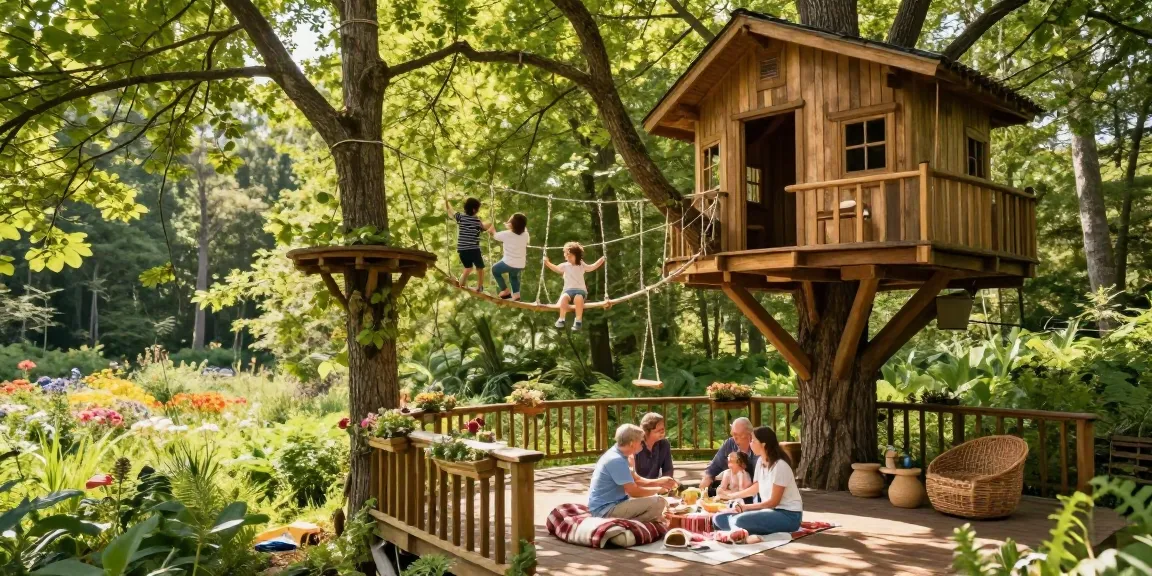
Tree house life refers to the living experience in homes that are elevated among the branches of trees. These structures can range from simple wooden platforms with basic amenities to fully equipped, luxury homes featuring modern conveniences. Tree houses provide a unique blend of comfort and adventure, allowing their inhabitants to immerse themselves in the natural environment while enjoying contemporary living.
Benefits of Living Amongst the Trees
- Connection to Nature: Living in a tree house fosters a deep connection with the natural world, allowing residents to enjoy the sights and sounds of wildlife.
- Creativity and Inspiration: The beauty and uniqueness of tree houses often inspire creativity, making them ideal for artists, writers, and anyone looking to recharge their creative batteries.
- Eco-Friendliness: Many tree houses are built with sustainable materials and techniques, promoting an environmentally conscious lifestyle.
- Sense of Adventure: The thrill of living above ground offers a sense of adventure and fun, especially for families with children.
Common Misconceptions About Tree Houses
Despite the growing popularity of tree house living, several misconceptions persist. One common belief is that tree houses are only suitable for children. However, many modern tree houses are designed for adults and families, offering all the comforts of a standard home. Another misconception is that tree houses are unsafe or unstable; in reality, when constructed properly, they can be incredibly secure and enjoyable.
Tree House Design and Construction
Creating the perfect tree house necessitates careful planning and design. Understanding the nuances of tree house construction, including location and essential features, is crucial for ensuring safety and longevity.
Choosing the Right Location for Your Tree House
The success of any tree house begins with its location. It's vital to select a tree that is healthy, strong, and well-suited for supporting a structure. Ideally, the tree should be at least 8-12 inches in diameter and free from disease or rot. Additionally, consider the surrounding environment; proximity to water sources, views, and access roadways can all impact your experience.
Essential Features for a Safe Tree House
A well-designed tree house should prioritise safety and include key features such as:
- Secure Entry Points: This includes ladders, stairs, or rope bridges that are safely anchored.
- Safety Railings: Railing ensures that occupants are protected from falls.
- Weatherproofing: Proper insulation and weather-resistant materials help protect against the elements.
Eco-Friendly Building Materials and Techniques
Utilising sustainable materials is essential in tree house construction. Options such as reclaimed wood, bamboo, and non-toxic finishes contribute to environmental preservation and the overall aesthetic of the tree house. Incorporating green roofing, which can support plant life, not only enhances insulation but also helps the tree house blend into its surroundings.
Safety Considerations in Tree House Life
Knowing how to maintain safety is paramount for those considering tree house living. Understanding tree health, safety equipment, and local regulations ensures a secure and enjoyable experience.
Evaluating Tree Health and Stability
Regular assessments of the tree's health are crucial and should include checking for signs of disease, decay, and insect infestations. An experienced arborist can help determine whether your chosen tree is suitable for supporting a tree house.
Safety Equipment to Consider
To enhance safety, consider installing safety equipment such as:
- Fall Protection Systems: These can include harnesses and safety nets.
- Emergency Exits: Have alternative routes for evacuation in the event of an emergency.
Understanding Local Regulations and Permits
Before constructing a tree house, it's essential to check with local authorities regarding building codes and regulations. Many areas require permits for tree houses, especially if they are intended for full-time living.
Maintaining Your Tree House
Proper maintenance ensures the long-term viability of your tree house, making regular inspections and upkeep critical for preserving its structure and safety.
Regular Inspections and Upkeep
Conducting regular inspections helps identify potential issues before they become significant problems. Check for signs of wear and tear, particularly in the support structure and safety features.
Weatherproofing Your Tree House
Effective weatherproofing is necessary to protect your tree house from the elements. This includes applying sealants, ensuring that roofs are watertight, and using weather-resistant materials for floors and walls.
Tips for Preserving the Natural Environment
To maintain the surrounding ecosystem, consider using eco-friendly practices. This might include planting native species nearby or implementing water conservation methods. It's essential to build a harmonious relationship between the tree house and its environment.
Future Trends in Tree House Life
As we move toward 2026, the world of tree house living is poised for exciting developments. Innovations and growing community interest will shape the next generation of tree house design and living.
Innovations in Tree House Designs for 2026
Future tree house designs are likely to embrace advanced technology and sustainable practices even more. Expect to see features like solar panels, smart home technology, and modular designs that can adapt to changing needs.
The Rise of Eco-Conscious Tree House Living
As environmental awareness continues to grow, eco-conscious tree house living will gain popularity. More individuals will seek out tree houses that promote sustainability through green building practices and self-sufficient living.
Community Building Around Tree House Life
The sense of community associated with tree house living is strengthening, with many owners forming networks to share ideas, resources, and experiences. This collective approach fosters innovation and enhances the overall enjoyment of tree house life.
What makes tree houses unique for families?
Tree houses offer a unique setting for families to bond and create lifelong memories. The elevated structure encourages children to explore outdoors, while adults can enjoy a retreat that feels both adventurous and grounding.
How can I ensure my tree house is safe?
To ensure safety, regular inspections, proper construction techniques, and adherence to local building codes are essential. Prioritising safety features and maintaining the health of the supporting tree will also help create a secure living environment.
Are tree houses a good investment?
Investing in a tree house can yield significant returns, especially if designed for rental opportunities or as a unique personal retreat. The appeal of tree house living continues to attract nature enthusiasts and families seeking distinctive holiday experiences.
What amenities should I include in a tree house?
Consider including amenities that enhance comfort and functionality, such as a kitchenette, bathroom facilities, heating and cooling systems, and outdoor living spaces that take advantage of the surrounding views.
Can tree houses be used in all climates?
While tree houses can be adapted for various climates, specific considerations must be made. For instance, in colder climates, proper insulation and heating solutions are necessary, while in warmer areas, ventilation and shading become critical.