
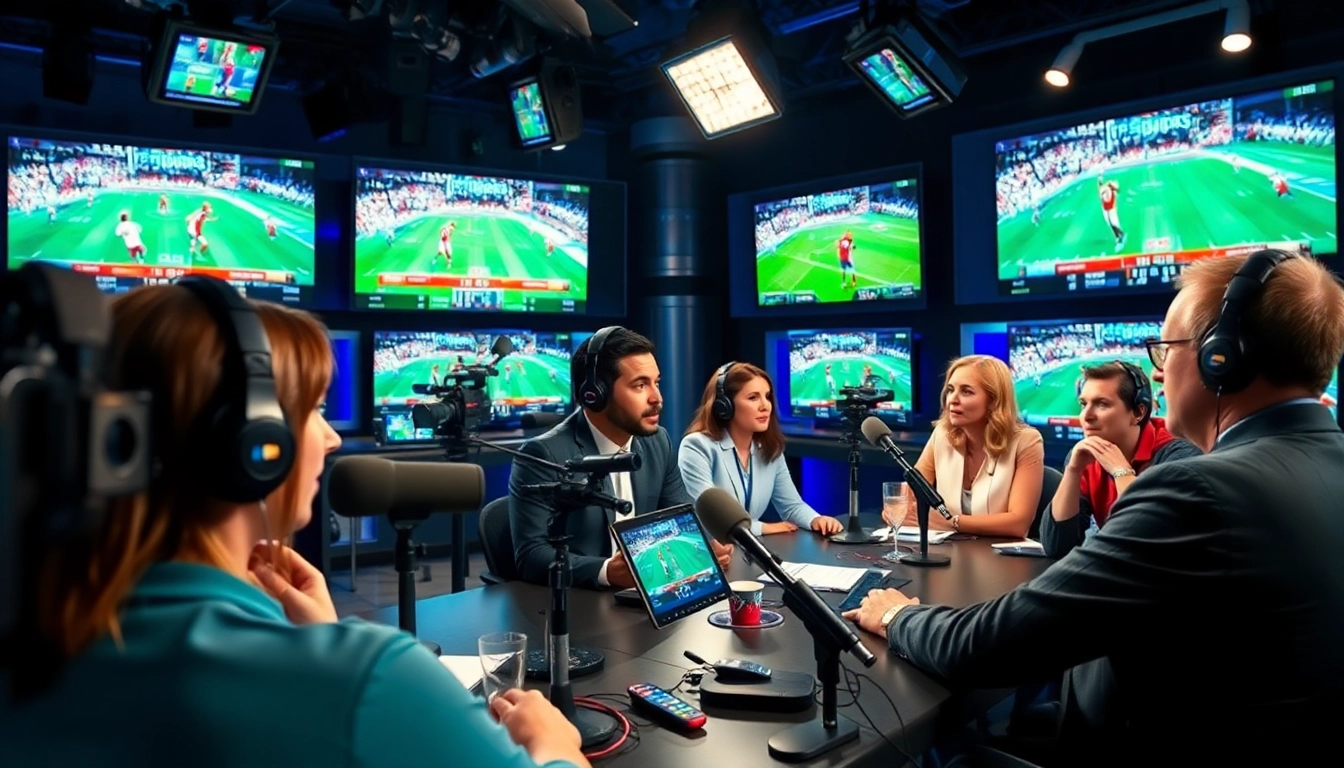
Understanding Sports Broadcasting Basics
The Importance of Sports Broadcasting
Sports broadcasting plays a crucial role in connecting athletes, teams, and fans. It not only provides live coverage of events but also serves as a means for fans to engage with their favorite sports, players, and communities. By offering real-time commentary and insights, it enhances the viewing experience and creates a shared culture among sports enthusiasts. Additionally, the reach of sports broadcasting transcends geographical barriers, allowing millions to experience events they might not otherwise access. As a dynamic aspect of media, Sports Broadcasting is essential for promoting athletic events and fostering loyalty among fan bases.
History and Evolution of Sports Broadcasting
The history of sports broadcasting is rich and varied, dating back to the early 20th century when radio broadcasts made their debut. The first live sports broadcast occurred in 1921, delivering a boxing match to eager listeners. Television further revolutionized the field, as major sporting events began to dominate airwaves in the 1950s and 60s. The introduction of cable television expanded options for sports consumers, granting them access to niche sports programming that traditional networks couldn't provide.
As technology has progressed, so has the landscape of sports broadcasting. The advent of the internet led to the rise of live streaming, allowing for larger audiences and more diverse programming. Today, digital platforms provide unparalleled access to sports content worldwide, catering to fans’ preferences and changing consumption habits. Each technological advancement has broadened the possibilities for how sports are covered and consumed.
Key Terminologies in Sports Broadcasting
Understanding sports broadcasting requires familiarity with key terminology that governs the industry. Some of these terms include:
- Play-by-Play: The running commentary during a live event.
- Color Commentary: Insights and analysis provided by a commentator, enhancing the play-by-play coverage.
- Live Streaming: Broadcasting events in real-time over the internet.
- Virtual Replays: The use of technology to display highlights and special moments during the broadcast.
- Interactive Broadcast: Engaging viewers through polls and social media interactions during a live event.
Core Components of Effective Sports Broadcasting
Analyzing Sports Content Formats
Effective sports broadcasting encompasses a range of content formats designed to engage different audiences. Traditional formats include live games, highlight shows, and pre- and post-game analysis. However, digital platforms have introduced innovative formats, such as interactive live feeds and social media engagement.
Moreover, podcasts have gained popularity, allowing fans to consume sports content on-the-go while providing a platform for debates and discussions. Each format has its unique advantages – live broadcasts capture the essence of the moment, whereas highlight packages allow fans a brief glimpse into multiple games. Ultimately, catering to diverse preferences ensures broader reach and engagement.
Technology Integrated into Sports Broadcasting
Modern sports broadcasting heavily relies on technology to enhance viewer experiences. High-definition cameras capture every detail, while drones offer unique aerial perspectives of events. Advanced software tools help analysts break down complex plays through virtual graphics and simulations, making sports more accessible and engaging for viewers.
Furthermore, augmented reality is increasingly being utilized to provide viewers with additional information during live broadcasts, adding context against a graphical backdrop. This blend of technology and storytelling drives audience engagement, allowing fans to feel more invested in the games they watch.
Roles of On-Air Talent in Sports Coverage
The on-air talent in sports broadcasting includes commentators, analysts, and hosts who play pivotal roles in shaping the viewer experience. Commentators provide real-time updates, while analysts offer deeper insights and strategic understanding of the game. Hosts facilitate discussions and interviews, keeping the content flowing and engaging.
Each talent must adapt their communication style to the format, understanding when to inject enthusiasm or provide in-depth analysis. Their collective contributions create a dynamic viewing experience that resonates with audiences, making their roles indispensable in sports broadcasting.
Developing Engaging Sports Broadcasting Strategies
Understanding Audience Preferences
A successful sports broadcaster must have a nuanced understanding of audience preferences. This involves conducting thorough market research and analyzing audience data to identify what resonates with different demographic segments. Fans can have varying tastes—some prefer in-depth statistical analyses, while others favor storytelling or light-hearted banter during broadcasts.
By tailoring content to meet audience preferences, broadcasters can enhance viewer retention, enhance engagement through social media interactions, and encourage a vibrant community around their programming. Insights into audience behavior can significantly inform scheduling, marketing, and content development strategies.
Storytelling Techniques for Sports Coverage
Storytelling is a vital component of effective sports broadcasting, transcending the mere presentation of facts. Successful broadcasters weave narratives that capture the drama, emotion, and humanity within the game. This involves drawing on player backgrounds, injury comebacks, and rivalries, all enriching the viewer's experience.
In addition, using storytelling devices like foreshadowing or character arcs can engage viewers emotionally, forcing them to invest in the outcome. Effective stories compel audiences to return and follow their favorite teams and athletes, knowing there's a deeper narrative at play.
Best Practices for Live Broadcasting
Live broadcasting presents its own unique challenges, and thus it necessitates the implementation of best practices. These include thorough preparation and rehearsal to ensure smooth transitions and effective communication among the crew. Real-time research and access to statistics allow on-air talent to provide timely and relevant insights for viewers.
Additionally, embracing viewer feedback is crucial. Broadcasts that incorporate audience interaction through social media, polls, or live questions enhance engagement and foster a community around the event. By recognizing and adapting to audience feedback, broadcasters can improve their coverage and ensure continued viewer loyalty.
Challenges in the Sports Broadcasting Industry
Adapting to New Technologies
The rapid pace of technological advancements poses challenges for sports broadcasters. Staying abreast of emerging technologies, such as AI and machine learning, requires significant investment in training and infrastructure. Failure to adapt can lead to falling behind competitors and losing audience engagement.
To overcome this, broadcasters should prioritize continuous education and flexibility in adopting new tools. Upskilling existing staff and exploring collaborative partnerships can facilitate smoother transitions and enhance overall broadcasting quality.
Managing Audience Expectations and Feedback
Today's audiences have heightened expectations, driven by the accessibility of information and real-time updates. Sports broadcasters are required to deliver high-quality programming while also being responsive to viewer feedback. This dual demand can create challenges regarding resource allocation and programming strategy.
Implementing structured feedback systems, conducting surveys, and using analytics can provide insights into viewer satisfaction. By actively listening to fans and making necessary changes, broadcasters can build trust, loyalty, and a more engaged audience base.
Legal Considerations in Sports Broadcasting
Legal considerations are critical in the sports broadcasting industry, interacting with various aspects like copyright, contracts, and broadcasting rights. Understanding and navigating these legal requirements is crucial for broadcasters to protect their interests and avoid costly disputes.
Broadcasters must ensure that they have the necessary rights to air specific content, as failure to do so can result in legal action. Collaborating with legal experts and staying informed about any changes in broadcasting laws can help mitigate these risks and ensure compliance.
Future Trends in Sports Broadcasting
Impact of Streaming Services on Sports Broadcasting
The rise of streaming services has dramatically reshaped the sports broadcasting landscape. Traditional cable subscriptions are declining as audiences gravitate towards digital platforms that offer flexibility in viewing options. This shift has prompted many broadcasters to explore partnerships with streaming services to reach wider audiences.
Streaming platforms allow for specialized programming, catering to niche sports and creating unique experiences for dedicated fan bases. Embracing this trend presents opportunities for broadcasters to diversify content and adapt to evolving consumer habits effectively.
Virtual Reality and Augmented Reality in Sports Coverage
Virtual reality (VR) and augmented reality (AR) are transforming how fans engage with sports broadcasts. VR provides immersive experiences, allowing viewers to feel as if they are part of the event, while AR enhances broadcasts with additional layers of information, such as player statistics and game data.
These technologies create new possibilities for storytelling and engagement, allowing broadcasters to draw in audiences in ways previously unimaginable. As technology progresses, integrating VR and AR into traditional broadcasts can further enrich the viewer experience.
Predictions for the Next Decade in Sports Broadcasting
The future of sports broadcasting is poised for rapid transformation, driven by advances in technology and shifting consumption patterns. Predictions include the continued growth of streaming services as primary sources for sports content, integrating personalized experiences based on viewer preferences.
Moreover, the integration of AI will automate content creation and enhance viewer engagement through tailored programming. As data analytics continues to evolve, broadcasters will leverage insights to refine their strategies, ensuring they stay relevant and maintain their audience's attention.
Frequently Asked Questions
FAQ 1: What is sports broadcasting?
Sports broadcasting is the distribution of sports events via various media channels, including TV, radio, and online platforms.
FAQ 2: What skills are needed for sports broadcasting?
Key skills include strong communication abilities, analytical thinking, technical proficiency, and a deep understanding of sports.
FAQ 3: How has technology changed sports broadcasting?
Technology has revolutionized live coverage and audience engagement, enabling data analytics to enhance storytelling in broadcasts.
FAQ 4: What are the different types of sports broadcasting?
Types include traditional TV broadcasts, radio shows, online streaming, and interactive fan experiences across platforms.
FAQ 5: What future trends can we expect in sports broadcasting?
Expect increased reliance on streaming platforms, integration of VR/AR technology, personalized viewing experiences, and interactive content.