Understanding Roof Cleaning: The Basics
Roof cleaning is an essential maintenance task that ensures the longevity and aesthetic appeal of your home. An often-overlooked aspect of homeownership, regular roof cleaning not only removes unsightly stains but also protects your investment from potential damage caused by contaminants such as algae and moss. When exploring options, roof cleaning becomes a critical consideration for homeowners aiming to enhance curb appeal and avoid costly repairs in the future.
What Is Roof Cleaning and Why Is It Important?
Roof cleaning refers to the removal of dirt, algae, moss, lichen, and other debris from the surface of a roof. This process is important for several reasons:
- Preventing Damage: Algae and moss can trap moisture, leading to rot and degradation of roofing materials.
- Extending Lifespan: Regular cleaning helps extend the life of your roof by preventing the growth of harmful organisms.
- Improving Aesthetics: A clean roof enhances the overall appearance of your home, contributing to its curb appeal.
- Boosting Energy Efficiency: Clean roofs reflect sunlight better, helping with temperature regulation in your home.
Common Roof Contaminants: Algae, Moss, and Lichen
Several types of contaminants can affect your roof's integrity:
- Algae: Often appears as dark streaks on shingles, it thrives in humid climates and can spread quickly.
- Moss: This green plant can grow in shaded areas and retain moisture, contributing to roof decay.
- Lichen: A composite organism that can attach to roofs, it can cause damage over time if not removed.
Identifying these contaminants early is crucial for effective cleaning and prevention of more severe damage down the line.
Signs Your Roof Needs Cleaning
Homeowners should be vigilant for signs indicating it's time for a roof cleaning:
- Visible Streaks or Discoloration: Dark streaks from algae or discoloration from moss are clear indicators.
- Increased Energy Bills: If you notice a spike in energy costs, it might be due to your roof's reduced efficiency.
- Black Stains: Typically caused by algae growth, these suggest moisture retention issues.
- Debris Buildup: Leaves, branches, and dirt can create a damp environment conducive to growth.
Methods of Roof Cleaning: Which One Is Right for You?
Soft Washing vs. Pressure Washing: Pros and Cons
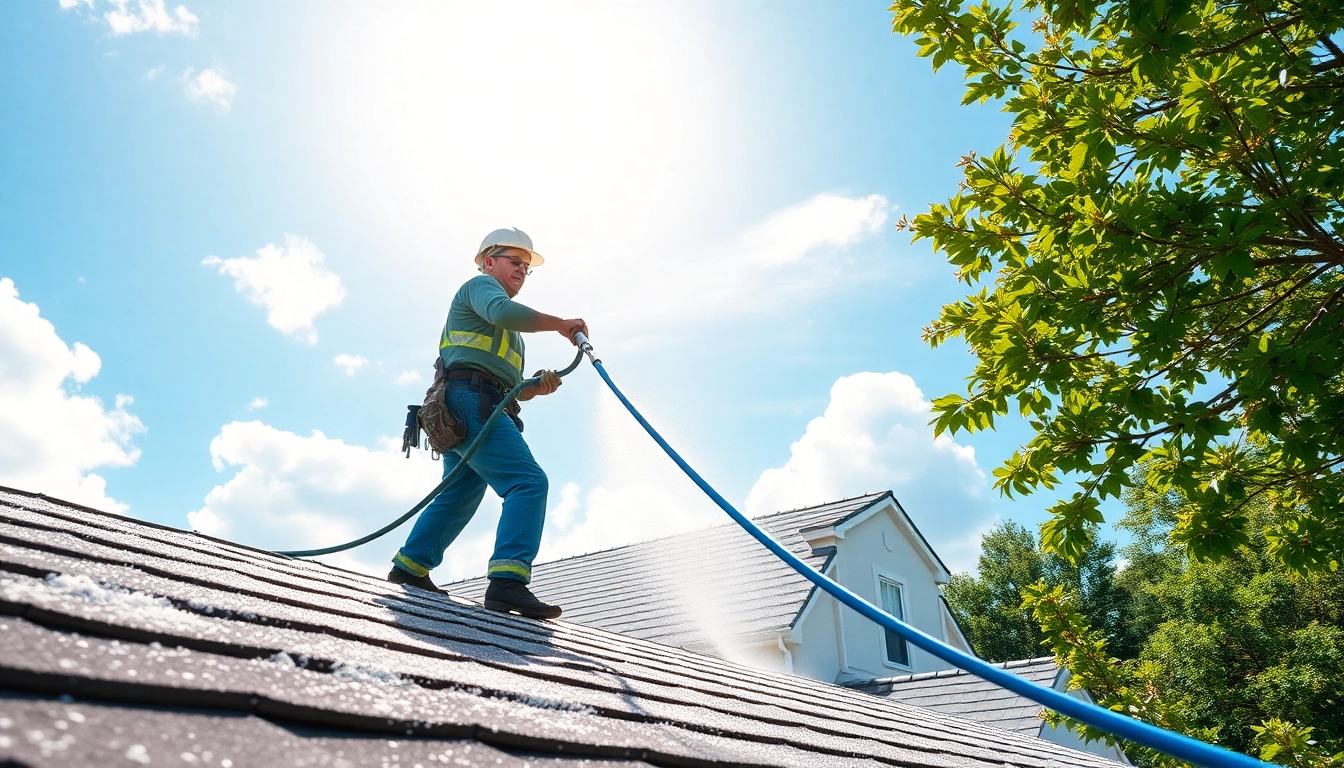
When considering roof cleaning methods, homeowners often weigh the benefits of soft washing against pressure washing:
- Uses low-pressure water combined with eco-friendly cleaning solutions.
- Safe for most roofing materials, preventing damage.
- Effectively kills algae and moss at the root.
- Involves high-pressure water sprays that can remove dirt and debris.
- Can potentially damage shingles or other roofing materials if not performed correctly.
- Generally less effective against organic growth like algae.
Choosing the right method depends on your specific roofing material and the type of contaminants present.
Eco-Friendly Cleaning Solutions for Roofs
As environmental concerns grow, many homeowners are seeking eco-friendly cleaning solutions. These biodegradable products are designed to effectively clean your roof without harming the surrounding environment or landscaping. Look for cleaners that:
- Use plant-based ingredients.
- Avoid harmful chemicals like bleach.
- Effectively eliminate mold and algae without damaging the roof material.
Utilizing eco-friendly methods not only protects your home but also contributes to a healthier planet.
How Often Should You Schedule Roof Cleaning?
The frequency of roof cleaning can depend on several factors:
- Climate: In humid environments, more frequent cleaning is necessary, typically once a year.
- Type of Roof: Certain materials may require more frequent maintenance.
- Surrounding Vegetation: Homes surrounded by trees may collect organic debris more quickly.
As a general rule, homeowners should aim to clean their roofs every 1-2 years for optimal maintenance.
The Roof Cleaning Process: Step-by-Step Guide
Preparing Your Roof for Cleaning
Preparation is key to ensuring a successful roof cleaning. Start by:
- Inspecting your roof for damage and making necessary repairs before cleaning.
- Removing any large debris, such as leaves and branches, from the roof surface.
- Covering plants and outdoor furniture to protect them from cleaning solutions.
Executing the Cleaning Safely and Effectively
Once preparations are complete, the cleaning can begin. For soft washing, follow these steps:
- Mix your eco-friendly cleaning solution according to the manufacturer’s instructions.
- Apply the solution using a spray nozzle to ensure even coverage.
- Allow the solution to sit for the recommended time to effectively kill any growth.
- Rinse with low-pressure water to avoid damaging the roof.
Post-Cleaning Maintenance Tips
After cleaning, maintain your roof’s integrity by:
- Scheduling regular inspections to catch early signs of growth.
- Trimming overhanging branches to prevent debris accumulation.
- Using zinc or copper strips along the roof ridge to inhibit algae growth.
Cost of Roof Cleaning: What to Expect in 2025
Average Pricing for Different Roof Types
The cost of roof cleaning can vary significantly based on various factors including roof type, size, and geographical location. On average, homeowners can expect:
- Asphalt Shingles: $300 - $600 for a standard-sized single-family home.
- Metal Roofs: $400 - $800, given their complexity and cleaning requirements.
- Tile Roofs: $600 - $1200, depending on the intricacy of the roofing materials.
Factors Influencing Roof Cleaning Costs
Several key factors can influence the overall cost of roof cleaning:
- Size of the Roof: Larger roofs require more time and resources to clean.
- Type of Contaminants: Heavily soiled roofs may need more intensive cleaning methods.
- Accessibility: Roofs that are difficult to access can increase labor costs.
How to Find Affordable Yet Reliable Roof Cleaning Services
Finding an affordable and trustworthy roof cleaning service involves a few strategic steps:
- Seek recommendations from friends or family.
- Check online reviews and ratings for local service providers.
- Request multiple quotes to compare services and pricing.
Prioritizing quality over cost is crucial; a well-maintained roof can save you money in repairs down the line.
Future Trends in Roof Cleaning: What’s to Come?
Technological Advancements in Roof Cleaning Equipment
The roof cleaning industry is witnessing technological advancements that promise efficiency and effectiveness. Innovations include:
- Automated Cleaning Systems: Devices that can clean large commercial roofs without manual labor.
- Advanced Pressure Washers: Equipment that optimizes water and detergent usage for cleaner results.
Emerging Eco-Safe Cleaning Practices
With increasing environmental awareness, eco-safe cleaning practices are becoming mainstream. Expect to see:
- Greater utilization of non-toxic cleaning agents.
- Innovative methods to minimize water usage during the cleaning process.
Predictions for the Roof Cleaning Industry in 2025 and Beyond
As we move further into 2025, the roof cleaning industry is expected to grow significantly, driven by technological advancements and an increasing focus on sustainable practices. Homeowners will likely prioritize services that not only clean but also protect and extend the lifespan of roofing materials.
Ultimately, keeping your roof clean is essential for maintaining your home’s value and aesthetic appeal. With the right approach and knowledge, you can make informed decisions and ensure your roof remains a protective shield over your home.