
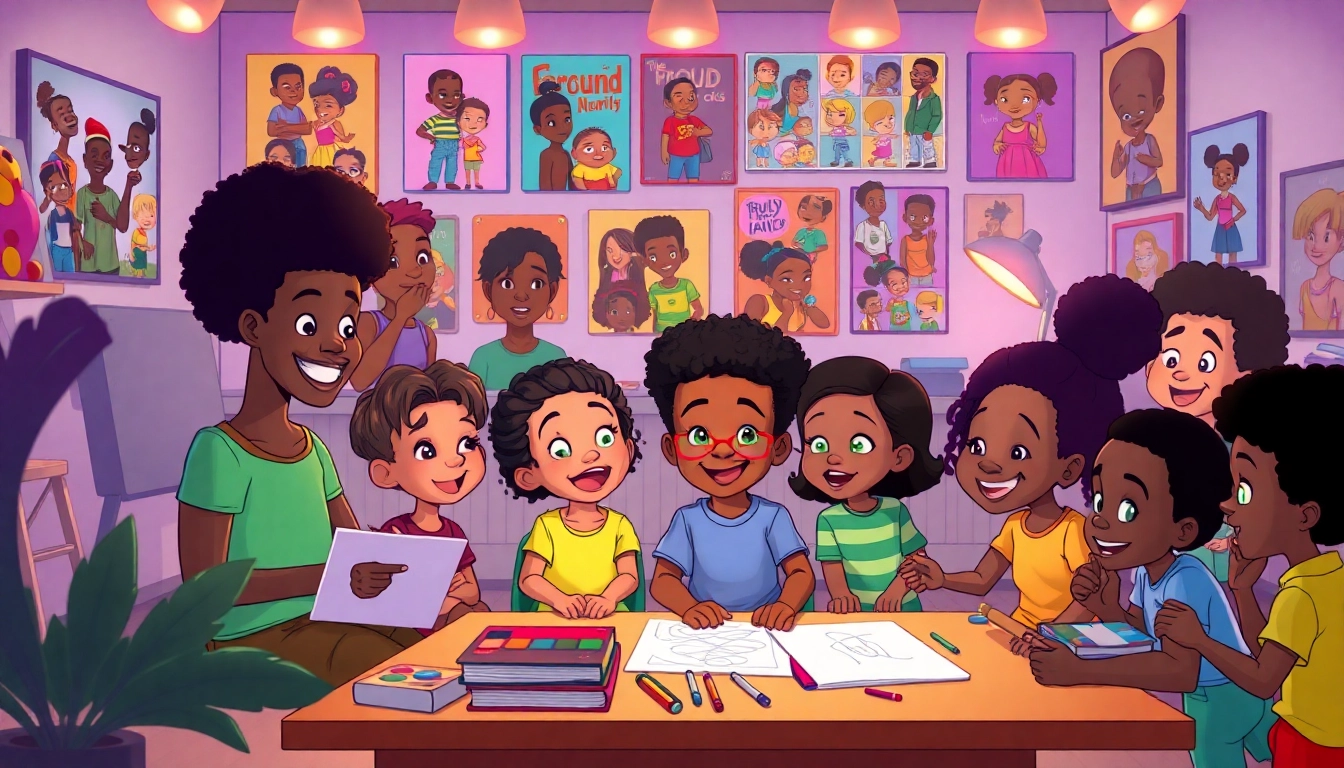
The Importance of African American Cartoons
African American cartoons play a significant role in shaping cultural narratives and providing representations that resonate within the community. They not only entertain but also educate, influence, and inspire audiences of all ages. As streaming services focus on inclusivity, African American Cartoons have gained prominence, fostering a new generation of creators and storytellers dedicated to highlighting the diverse experiences of Black individuals through animation.
Promoting Diversity and Representation
Diversity in animation is critical as it allows kids and adults alike to see characters that look like them and live experiences that reflect their own worlds. Cartoons featuring African American characters often address stereotypes, cultural pride, and social issues in ways that resonate with audiences, providing a sense of belonging and identity. Notably, series like “The Proud Family” and “The Boondocks” explore themes of heritage, family, and community, making significant strides in representing the African American experience.
The Impact of Cartoons on Cultural Identity
The impact of cartoons extends beyond entertainment; they contribute to the cultural identity of African Americans. Children growing up watching these shows develop a sense of pride in their culture, history, and contributions. For instance, shows like “Doc McStuffins” have become emblematic not only for their entertainment value but also for their portrayal of Black characters in positive and empowering roles, encouraging young viewers to aspire to greatness.
Historical Context of African American Animation
Historically, African American animation has faced significant challenges, often marginalized in the broader industry. However, trailblazers like John Henry “Ish” Andrews and studios like HBO in the 1990s provided platforms for Black creators. This evolution has paved the way for contemporary voices in animation, leading to a flourishing of content that both entertains and educates, bridging gaps between generations and communities.
Iconic African American Cartoons Through the Years
Classic Shows: A Look Back at the 90s
The 1990s marked a golden era for African American cartoons, introducing iconic shows that left a lasting legacy. “Animaniacs” featured the character Yakko, who humorously sang about various cultures, including African American history. “The Magic School Bus” also brought unique characters into educational themes. Meanwhile, “Fat Albert and the Cosby Kids” provided relatable stories about friendship, struggles, and triumphs, successfully blending humor with life lessons.
Modern Favorites That Redefine Animation
Today, modern series continue to build upon the foundation laid by their predecessors. “Craig of the Creek” and “Big Mouth” are prime examples of how contemporary animation can address complex topics such as adolescence, family dynamics, and cultural identity. These shows encapsulate the joys and challenges of growing up, with relatable storylines that resonate with diverse audiences, ensuring that representation remains at the forefront.
Emerging Trends in African American Cartoons
The landscape of African American cartoons is consistently evolving, influenced by social movements and advancements in technology. The rise of digital platforms like Netflix and YouTube has enabled creators to bypass traditional channels, fostering a new wave of independent Black animation. This democratization of media allows for storytelling that is both fresh and authentic, ensuring that diverse voices are heard and celebrated across various platforms.
Influential Black Characters in Cartoons
The Legacy of Pioneering Black Animation Characters
Many characters have become iconic symbols of Black culture in animation. Characters like Huey and Riley Freeman from “The Boondocks” challenge societal norms and provoke thought on issues of race and identity. Similarly, Frozone from “The Incredibles” showcases a cool and capable Black superhero, encouraging young Black viewers to see themselves as heroes in their own stories.
How Characters Influence Young Viewers
The influence of these characters can be profound, shaping children's perceptions of self and society. Shows that feature strong, multidimensional Black characters teach resilience, empathy, and the importance of standing up for oneself and others. Characters like D.I.Y. from “The Lion Guard” emphasize teamwork and community, reinforcing positive social messages critical for development.
Contemporary Role Models in Animated Series
Contemporary animated series are increasingly focusing on developing relatable role models. For instance, “Doc McStuffins” portrays a young Black girl aspiring to be a doctor, a narrative that empowers children to pursue their dreams regardless of societal barriers. This shift toward representation in leadership roles not only impacts young viewers' aspirations but also encourages them to envision possibilities beyond traditional stereotypes.
Creating Content for African American Cartoons
Best Practices for Animation Storytelling
Creating impactful content requires a nuanced understanding of storytelling. Animation should prioritize authenticity, ensuring that the narrative reflects the experiences and cultures of its characters. Collaborating with diverse writers and artists can help craft stories that resonate deeply, offering perspectives that might otherwise be overlooked. Furthermore, engaging communities in the writing process can enhance authenticity and create more relatable characters.
Engaging Young Audiences Through Relevant Themes
To engage young viewers effectively, it's essential to incorporate themes that reflect their realities. Content that addresses issues such as friendship, family dynamics, and self-acceptance can provide comfort and guidance. Animated series that include educational elements, such as moral lessons or cultural history, can also enrich the viewing experience, fostering both entertainment and learning.
Collaborative Efforts in Black Animation Projects
Collaborative efforts among creators, producers, and community leaders can lead to groundbreaking projects within the realm of Black animation. Initiatives that focus on mentorship and funding for Black animators can pave the way for innovative content. Furthermore, partnerships with educational institutions can provide aspiring animators with the skills and experiences they need to bring their stories to life.
Future Trends in African American Cartoons
New Platforms and Distribution Channels in 2026
As we progress into 2026, new platforms and distribution channels are likely to reshape the landscape of African American cartoons. Streaming services are continuing to expand, offering more opportunities for indie creators to showcase their work. The rise of interactive content, such as augmented and virtual reality experiences, could also transform how stories are told and experienced, providing deeper engagement for viewers.
The Role of Technology in Animation Creation
Technological advancements are redefining animation production. Tools like AI and machine learning are streamlining processes, allowing creators to focus on storytelling while enhancing visual quality. Moreover, technology enables diverse voices to reach wider audiences, breaking down barriers that previously limited access to the industry.
Predictions for the Next Generation of Content
Looking ahead, we can anticipate a surge in content that not only entertains but also educates and empowers. As social issues continue to be at the forefront of discourse, animated series are likely to adopt more complex narratives that address pertinent topics such as mental health, identity, and social justice. This evolution will be crucial in shaping the cultural landscape and inspiring future generations to engage with their identities through thoughtful storytelling.