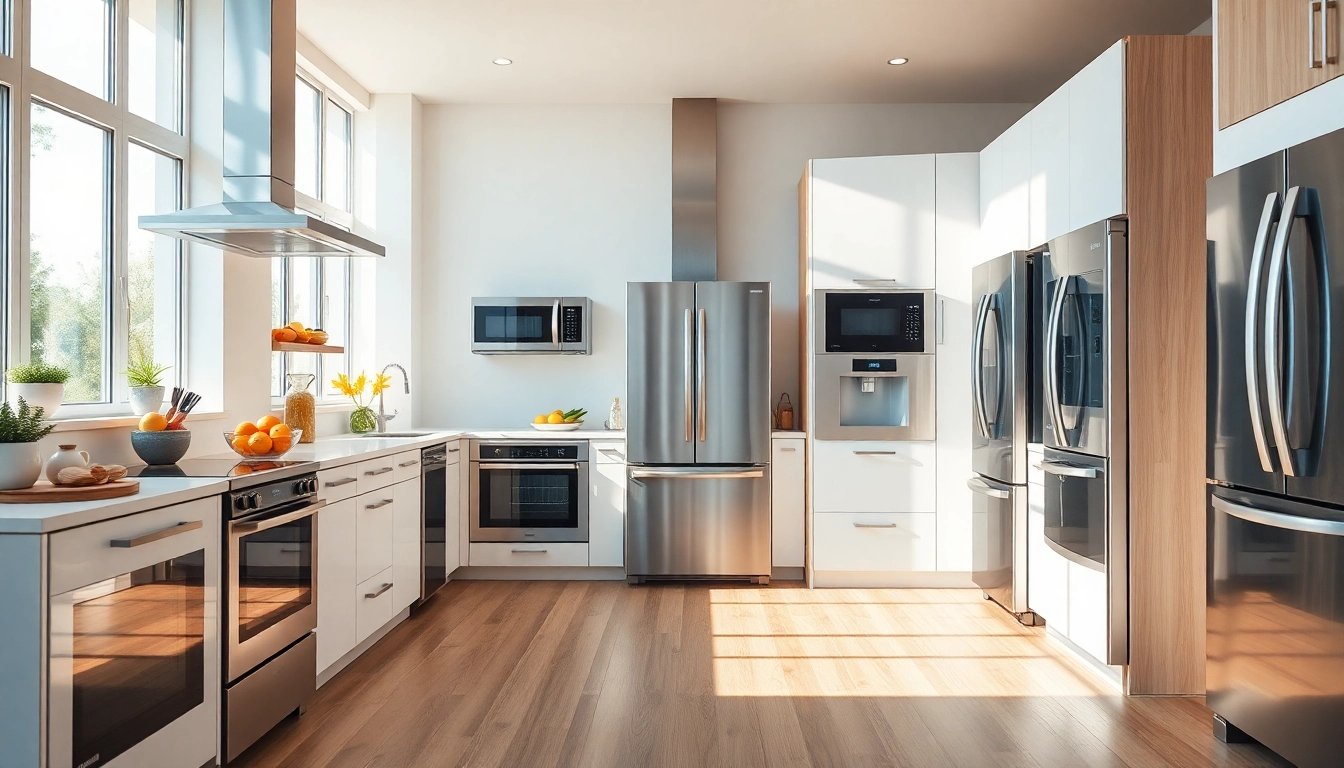
Understanding Home Appliances
What Are Home Appliances?
Home appliances are machines and devices designed to assist with household tasks. Ranging from essential tools such as refrigerators and washing machines to smaller gadgets like toasters and microwaves, these devices enhance convenience, efficiency, and comfort in daily living. They are powered by electricity or gas and serve various functions, making them indispensable in modern homes. With the invention of innovative technology, home appliances have evolved to include smart features, further integrating into our lifestyles.
Types of Home Appliances
Home appliances can be categorized broadly into two groups: major appliances and small appliances. Major appliances, often referred to as white goods, include large items such as refrigerators, ovens, and washing machines. These are typically built into the home and remain in one place.
Small appliances are versatile and mobile, including devices like blenders, microwaves, and toasters. They are portable, often requiring limited counter or storage space, making them ideal for kitchens and utility rooms. Both major and small appliances play vital roles in enhancing household functionality.
The Role of Home Appliances in Daily Life
Home appliances significantly reduce the time and effort required for daily chores, allowing individuals to focus on other activities. For instance, washing machines and dishwashers perform tasks that previously required hours of manual labor.
Moreover, these appliances contribute to energy efficiency and sustainability. Modern devices are designed to consume less power, thereby decreasing household energy costs and environmental footprints. As technology progresses, appliances continue to evolve, introducing features that enable remote operation, thus further simplifying users' lives.
Choosing the Right Home Appliances
Factors to Consider When Selecting Appliances
When selecting home appliances, it's essential to evaluate several factors to ensure that each item meets your needs and preferences. Start with identifying your specific requirements, such as size, capacity, and the features you desire. For instance, families might require larger refrigerators and washing machines, while singles or couples could benefit from compact models.
Budget is also a crucial factor; balance initial costs with long-term operational costs. While some high-end appliances may seem expensive upfront, they may offer superior durability, energy efficiency, and long-term savings.
Energy Efficiency and Sustainability
Energy efficient home appliances minimize energy consumption while maintaining performance. Look for ENERGY STAR ratings, which indicate that an appliance meets energy efficiency guidelines set by the U.S. Environmental Protection Agency. Investing in energy-efficient models can lead to substantial savings on utility bills over time and can offer tax breaks or rebates in some areas.
Sustainability is another vital aspect when choosing appliances. Brands are increasingly adopting eco-friendly practices by utilizing recyclable materials, reducing packaging waste, and enhancing energy efficiency.
Best Features in Modern Home Appliances
Modern home appliances come equipped with a variety of features designed to enhance usability and efficiency. Smart technology integration is one such feature, allowing users to control devices remotely via smartphones or home assistants.
Other desired features include self-cleaning options, energy saver settings, customizable settings, and multi-functionality that reduces the need for multiple devices. Additionally, aesthetic designs and finishes have become essential to complement contemporary interior décor.
Maintaining Home Appliances for Longevity
Regular Cleaning Tips
Regular maintenance is crucial for the longevity and performance of home appliances. Simple cleaning tasks can prevent malfunctions and enhance efficiency. For instance, washing machine filters should be cleaned monthly to prevent buildup, while refrigerator coils require regular dusting to maintain optimal airflow.
Establish a routine cleaning schedule tailored to each appliance, and don’t forget to refer to manufacturer guidelines for specific maintenance tips and recommendations.
Common Repair Issues and Fixes
Understanding common appliance problems can save time and money. For example, if your refrigerator is not cooling efficiently, check the temperature settings and ensure the door seals are intact. For washing machines, unbalanced loads can cause loud noises or excessive vibrations; redistributing the load typically resolves these issues.
For more complex repairs, consulting a professional service is advisable to avoid further damage. Always disconnect appliances from power sources before attempting any troubleshooting.
When to Replace Your Appliances
Knowing when to replace your appliances is as critical as regular maintenance. If an appliance frequently breaks down and warrants repairs that cost more than half the price of a new unit, it’s generally more economical to invest in a replacement.
Moreover, aging appliances may become less energy-efficient, leading to higher utility bills. Recognizing signs of wear, such as unusual noises or decreased performance, can help you make informed decisions about replacements.
Smart Technology in Home Appliances
Introduction to Smart Home Appliances
Smart home appliances are part of the growing trend toward interconnected devices that offer convenience, efficiency, and control. These appliances can be connected to the internet, allowing users to monitor and control them remotely. Smart refrigerators provide notifications for expired food items, while washing machines can be set to operate at off-peak hours to save on electricity costs.
Benefits of Automation
Automation brings numerous benefits, including enhanced convenience, better energy management, and the ability to perform tasks remotely. Smart appliances send alerts to your smartphone if malfunctions or maintenance is required, reducing downtime and supporting proactive care.
Moreover, analytics features in smart appliances can help track usage patterns and energy consumption, empowering users to make informed decisions that contribute to sustainability and cost savings.
Future Trends in Home Appliances
The future of home appliances will likely see advancements in artificial intelligence and machine learning. These developments could lead to devices that can learn user preferences and habits, enhancing personalization and efficiency in operation.
Additionally, the trend towards sustainable materials and energy sources is expected to continue, with manufacturers responding to growing consumer demand for eco-friendly products. Future appliances may also focus more on integration with other smart home devices, creating seamless ecosystems that further streamline daily chores.
Maximizing the Benefits of Home Appliances
Creating an Efficient Home Environment
To maximize the benefits of home appliances, it's essential to create an efficient home environment. This involves strategically placing appliances for optimal usage and ergonomics. Keeping frequently used devices within easy reach can streamline routines and increase productivity.
In addition, utilizing smart home setups enhances automation, allowing for programmable schedules that align with the household's lifestyle, thereby maximizing energy efficiency.
Integrating Appliances into Your Lifestyle
Consider how new appliances can fit into your daily activities. For example, if you regularly prepare large meals, investing in multi-functional devices can save space and time. On the other hand, smaller gadgets may be more suitable if your cooking needs are modest.
An efficient kitchen organization system can also aid in integrating appliances into day-to-day routines, helping ensure that devices are used to their fullest potential.
Case Studies: Success Stories
Examining success stories can provide valuable insights into the effective use of home appliances. For instance, families that transitioned to energy-efficient appliances report reduced energy bills and enhanced convenience, allowing them additional family time.
Case studies also highlight how smart technology has transformed the cooking experience in many homes, turning standard kitchens into automated culinary spaces that adapt to clever cooking and meal prepping.
FAQs About Home Appliances
1. How often should I maintain my home appliances?
Regular maintenance should be performed at least once a year, while specific tasks like filter cleaning may be required more frequently, depending on usage.
2. What are the signs that I need to replace my appliance?
Frequent breakdowns, rising energy bills, and deteriorating performance can indicate that it’s time to consider replacing your appliance.
3. Are smart appliances worth the investment?
Smart appliances can provide convenience, energy savings, and enhanced control, making them a worthwhile investment for many households.
4. How can I improve the energy efficiency of my appliances?
Use energy-efficient settings, schedule usage during off-peak hours, and ensure proper maintenance to improve energy efficiency.
5. What features should I look for when purchasing appliances?
Consider energy efficiency ratings, connectivity options, customizable settings, and overall performance to find the best appliances for your home.