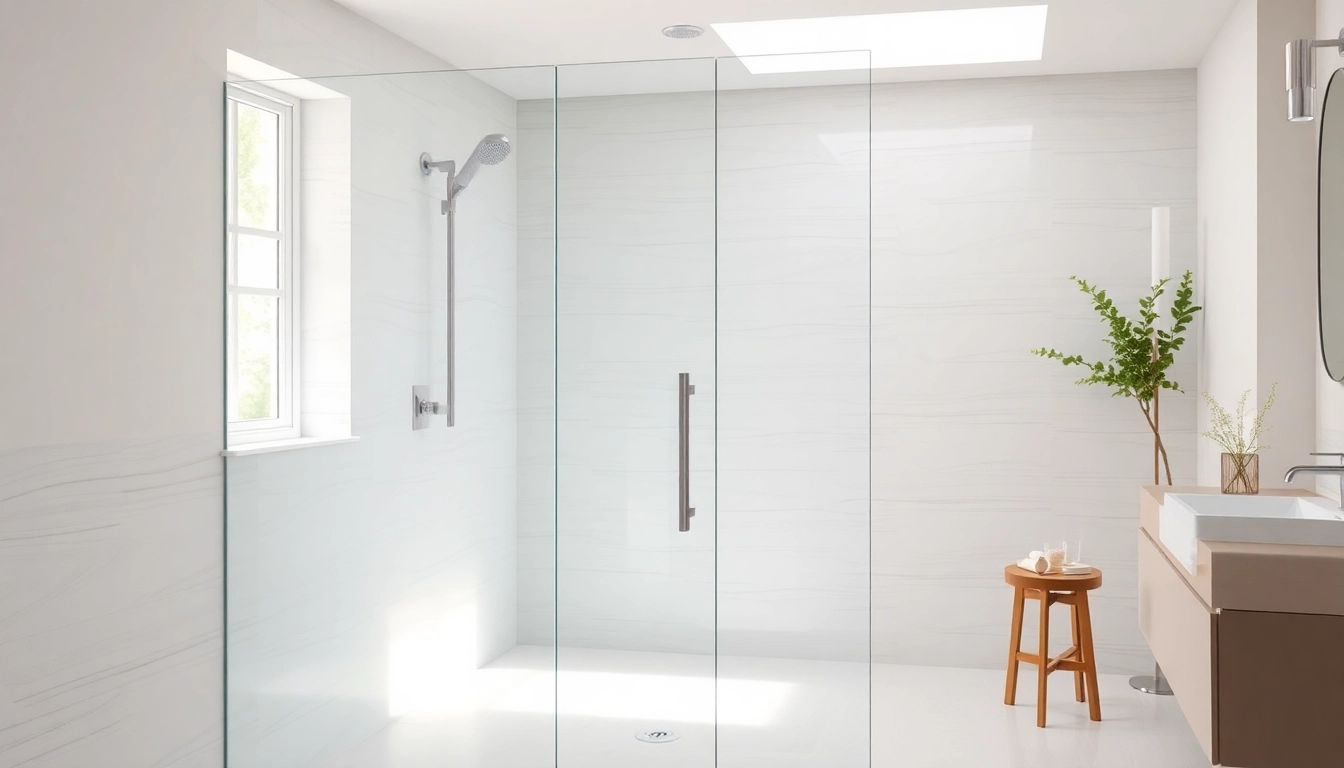
1. Overview of Glass Shower Doors
Glass shower doors have transformed the way we view and utilize our bathrooms, fusing functionality with elegance. They serve as both a barrier and a design element, elevating the aesthetic of any space. One of the main appeals of glass shower doors is their ability to create a sense of openness in smaller bathrooms, making them an ideal choice for contemporary home designs. If you're considering an upgrade, exploring the various glass shower doors options can be an exciting journey.
1.1 Types of Glass Shower Doors
Understanding the different types of glass shower doors available can greatly assist in making the right choice for your space. There are primarily three types:
- Framed Shower Doors: These doors come with metal framing that provides added support and stability. They are often more cost-effective and suited for various bathroom styles.
- Frameless Shower Doors: Offering a sleek and modern look, frameless doors use thicker glass with no frame, creating an illusion of space and allowing for maximum light penetration.
- Semi-Frameless Shower Doors: A blend of both worlds, semi-frameless doors have a frame on one side while the other remains frameless, providing a balance between style and stability.
1.2 Benefits of Glass Shower Doors
The benefits of glass shower doors extend beyond mere aesthetics. Some key advantages include:
- Enhanced Visibility: Glass doors enable a view of the shower, which can be particularly appealing if you have beautiful tile work or fixtures.
- Easy Maintenance: Unlike curtains or fabric doors, glass is easy to clean and does not harbor mold or mildew.
- Longevity: High-quality glass doors can withstand normal wear and tear and can last for many years when properly cared for.
- Increasing Property Value: Modern and stylish glass shower doors can enhance the appeal of your home, making it more attractive to potential buyers.
1.3 Common Features to Look For
While shopping for glass shower doors, consider the following features to enhance functionality and aesthetics:
- Tempered Glass: Tempered glass is heat-treated for strength and safety, reducing the risk of shattering.
- Coating Options: Protective coatings can help repel water and soap scum, making cleaning easier.
- Hardware Quality: Sturdy hinges and handles are essential for durability and should complement the style of your bathroom.
2. Choosing the Right Glass Shower Doors
Selecting the right glass shower doors requires an assessment of your specific needs and preferences. Here are some critical factors to consider:
2.1 Size and Configuration Considerations
Before purchasing shower doors, take precise measurements of your shower area. Consider whether you want a sliding door, bi-fold door, or a hinged door, depending on the space you have. A sliding door is ideal for smaller areas, while a hinged door can provide a more luxurious experience in larger spaces.
2.2 Glass Thickness and Safety
Glass thickness plays a crucial role in the durability and safety of shower doors. Standard thickness ranges from ¼ inch to ½ inch. Thicker glass, while more expensive, offers enhanced durability and safety, minimizing the risk of breakage.
2.3 Frame vs. Frameless Options
Your choice between framed and frameless doors can significantly impact the overall look of your bathroom. Framed doors are generally more affordable and offer various design choices, while frameless models provide a modern and open feel. Consider your design preferences and budget when making this decision.
3. Installation Process for Glass Shower Doors
The installation of glass shower doors can seem daunting, but with the right steps, it can be a manageable task. Below is an overview of the installation process.
3.1 Tools Required for Installation
To successfully install your glass shower doors, you will need the following tools:
- Power drill
- Measuring tape
- Level
- Screwdriver
- Silicone sealant
- Safety goggles
- Helper (optional but recommended)
3.2 Step-by-Step Installation Guide
1. Measure the shower space accurately and confirm the dimensions.
2. Assemble the brackets and hardware according to the manufacturer’s instructions.
3. Attach wall anchors and install the vertical support for framed doors, or mount the hinges for frameless.
4. Position the glass door into the brackets and secure it firmly.
5. Apply silicone sealant around the edges to prevent leaks.
6. Allow the silicone to cure as per the recommendations before using the shower.
3.3 Professional vs. DIY Installation
While some homeowners may choose to install glass shower doors themselves to save costs, hiring a professional can ensure a flawless installation. Professionals provide expertise that can prevent installation errors and guarantee safety.
4. Maintenance Tips for Glass Shower Doors
To preserve the quality and appearance of your glass shower doors, regular maintenance is crucial. Here are some tips to keep in mind.
4.1 Effective Cleaning Solutions
Using a squeegee after each shower can help prevent water spots. For deeper cleaning, consider using a mixture of vinegar and baking soda, or a commercial glass cleaner designed for shower doors.
4.2 Preventing Water Spots and Build-Up
Installing a water softening system can help minimize the minerals in hard water that often lead to spots. Additionally, using a water-repellent coating can provide longer-lasting protection against water stains.
4.3 Regular Maintenance Checklist
Regular maintenance should include:
- Wiping down glass doors after each use
- Deep cleaning once a week
- Checking seals and hinges for wear
- Ensuring the glass is free from cracks
5. Frequently Asked Questions about Glass Shower Doors
5.1 What are the advantages of glass shower doors?
Glass shower doors enhance visibility, are easier to maintain, and add a modern touch to bathrooms, increasing property value.
5.2 How do I clean and maintain my glass shower doors?
Use a squeegee after each use and clean weekly with vinegar or a dedicated glass cleaner to avoid water spots and soap build-up.
5.3 Can glass shower doors fit in small bathrooms?
Yes, glass shower doors can create a sense of openness, making them ideal for small bathrooms when properly sized and selected.
5.4 Are frameless shower doors safer than framed?
Frameless doors use thicker glass, providing structural integrity and a sleek look. While they are safe, proper installation is crucial.
5.5 How thick should the glass be for shower doors?
Glass thickness typically ranges from ¼ inch to ½ inch. Thicker glass provides better durability and safety, especially for frameless doors.