Understanding the Role of a New York City Commercial General Contractor
In the bustling landscape of New York City, where skyscrapers pierce the sky and businesses thrive, the importance of a skilled New York City Commercial General Contractor cannot be overstated. These professionals act as the backbone of the construction industry, ensuring projects run smoothly from inception to completion. But what exactly does a commercial general contractor do, and why is their local expertise crucial in one of the most competitive markets in the world? This comprehensive guide explores these questions and more.
What is a Commercial General Contractor?
A commercial general contractor (CGC) is a professional who manages construction projects on behalf of a client, overseeing everything from planning and design to execution and final inspections. Unlike residential contractors, who typically focus on individual homes, CGCs specialize in larger commercial projects such as office buildings, retail spaces, and industrial sites. Their role is multifaceted and involves collaboration with architects, engineers, subcontractors, and various stakeholders to ensure a project's success.
Key Responsibilities of a General Contractor
The responsibilities of a commercial general contractor extend beyond basic construction work. Key duties typically include:
- Project Management: Overseeing every aspect of the project, coordinating with various teams, and ensuring timelines and budgets are adhered to.
- Budgeting and Financial Management: Estimating costs, preparing bids, and managing expenses to keep the project within financial limits.
- Quality Control: Ensuring that all work meets specified standards and regulations, which is particularly critical in a city known for its stringent codes.
- Permitting and Compliance: Navigating the complex regulatory environment in NYC, obtaining necessary permits, and ensuring all work complies with local laws.
The Importance of Local Expertise
New York City presents unique challenges for commercial construction, including zoning laws, building codes, and logistical hurdles. A general contractor with local expertise possesses valuable knowledge about these regulations and can effectively navigate them. Their understanding of the local market also allows them to build relationships with suppliers and subcontractors, ensuring timely access to materials and skilled laborers.
Factors to Consider When Choosing a New York City Commercial General Contractor
Evaluating Experience and Specialization
When selecting a commercial general contractor, it is essential to evaluate their experience in the industry and their specialization. Ask potential contractors about their previous projects, particularly those that align with your needs. For example, if you're constructing a retail space, look for a contractor with a strong portfolio in similar projects. This experience not only demonstrates expertise but also an understanding of the challenges specific to your type of construction.
Assessing Financial Stability and Insurance
Financial stability is a critical factor when choosing a contractor. A company that is financially secure will be more likely to complete your project without delays or unexpected costs. Request proof of insurance and bonding to protect yourself from potential liabilities associated with the construction process. This can include worker's compensation, general liability, and other operational insurances that shield both you and the contractor from unforeseen issues.
Importance of Client Testimonials and Reviews
Gathering client testimonials and reading reviews provides insight into a contractor's reliability and quality of work. Look for contractors who are willing to share references from past clients, and consider reaching out to those clients for firsthand accounts of their experiences. Online reviews can also offer valuable perspectives, but be sure to assess them critically, paying attention to patterns in feedback.
Steps in the Commercial Construction Process
Initial Consultation and Project Scope
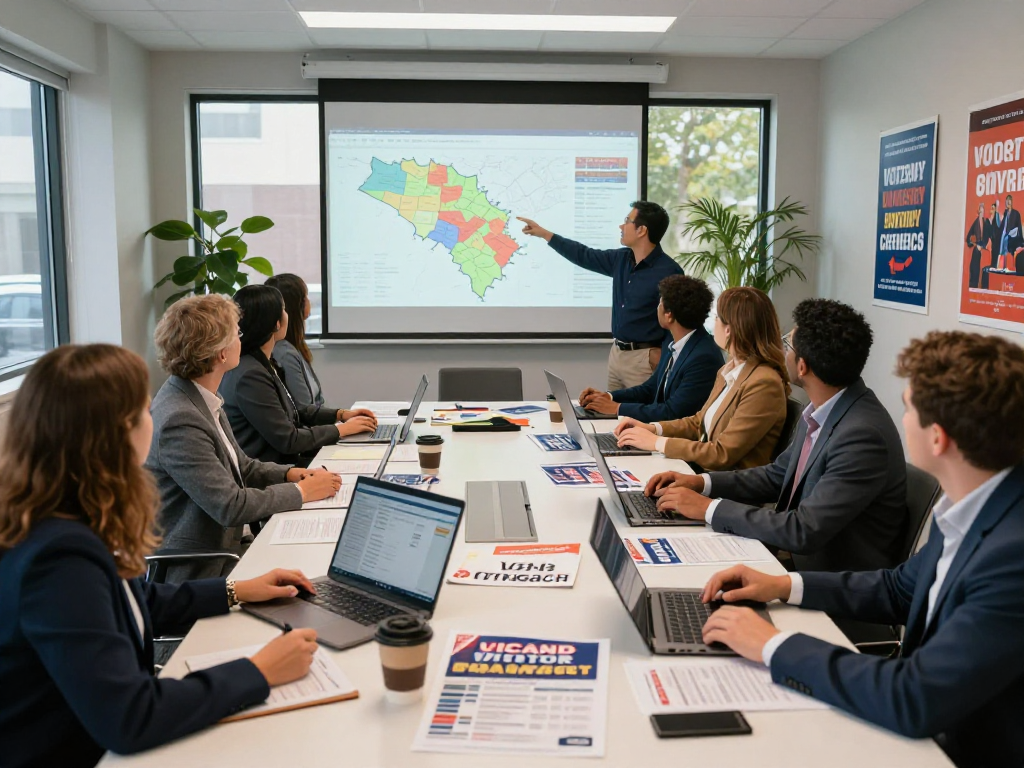
The construction process begins with an initial consultation where the contractor and client discuss project goals, budget, and timeline. This phase is crucial for setting expectations and understanding the project's scope. Open communication between the contractor and client can lead to a more refined project plan and help identify potential challenges early on.
Design and Permitting Phase
Once the project scope is established, the design phase kicks off. The contractor will collaborate with architects and designers to create blueprints that adhere to zoning regulations and building codes. Securing permits from local authorities is a vital part of this process; a contractor's familiarity with the NYC permitting system will expedite this phase and prevent costly delays.
Execution and Project Management
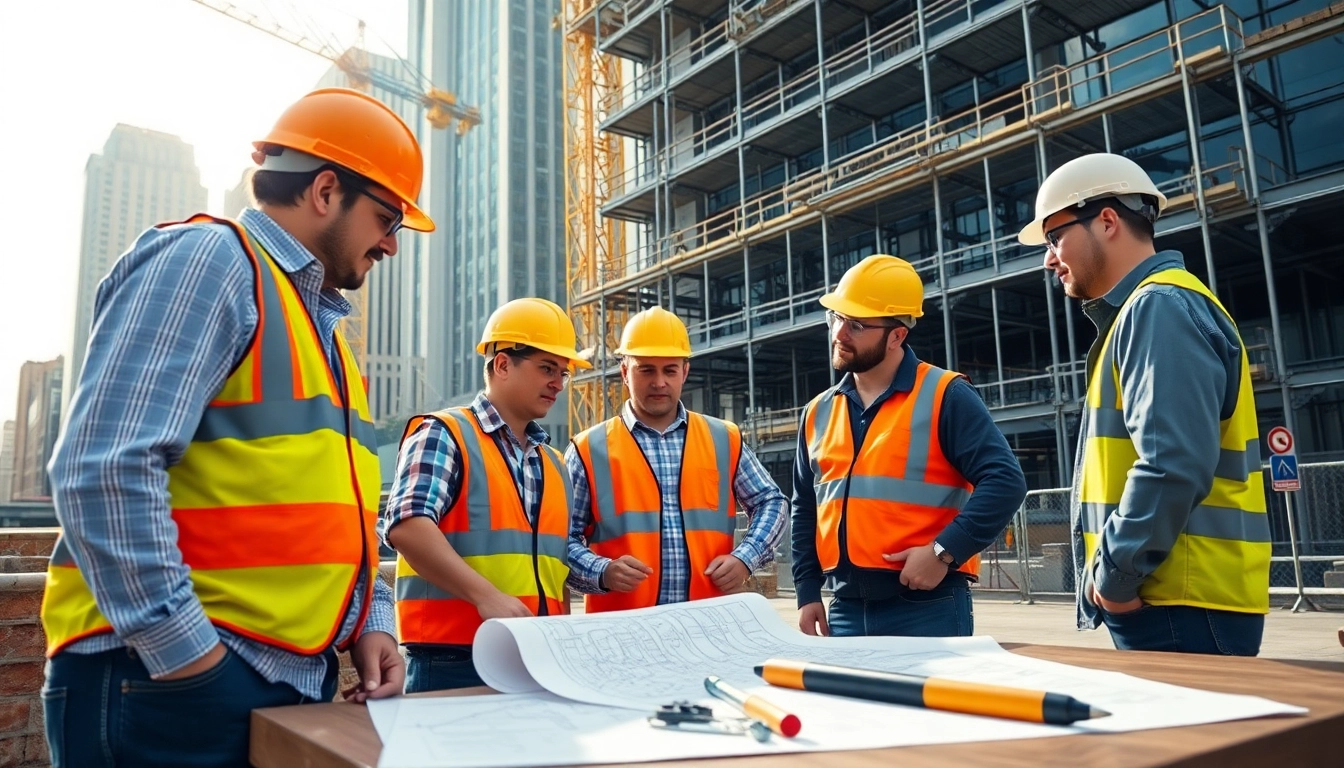
With designs approved and permits obtained, construction can begin. The contractor oversees all on-site activities, managing subcontractors and ensuring that each phase of construction aligns with the timeline and budget. Regular site meetings and progress updates foster accountability and keep the project on track.
Best Practices for Working with a New York City Commercial General Contractor
Effective Communication Strategies
Effective communication is foundational to successful collaboration between a client and contractor. Establish clear lines of communication, including regular updates regarding project status and any emerging issues. Utilize technology such as project management software to enhance transparency and keep all stakeholders informed.
Managing Project Timelines and Budget
Managing timelines and budgets requires diligence from both the contractor and client. Create a detailed project timeline with milestones and deadlines, and regularly review progress to ensure adherence. When it comes to budgeting, establish a comprehensive financial plan that includes contingency funds for unexpected expenses, as these are common in construction projects.
Ensuring Quality Control Throughout the Project
Quality control must be an ongoing focus throughout the construction process. Implement regular inspections and benchmarks at critical stages to assess workmanship and materials. Engaging third-party inspectors can provide an unbiased review of compliance and quality standards, ensuring that the final product meets the expected standards.
Challenges and Solutions in Commercial Construction
Common Challenges Faced by Contractors
Contractors in New York City face a variety of challenges, including labor shortages, fluctuating material costs, and stringent building codes. Urban construction often deals with logistical issues such as limited space for equipment and workforce coordination. Understanding these challenges is vital for any client looking to undertake a commercial project in this dynamic environment.
Strategies for Overcoming Obstacles
Facing challenges head-on is a hallmark of effective project management. To overcome labor shortages, contractors can develop relationships with local unions and training programs. Strategic planning and scheduling can mitigate logistical challenges, ensuring that projects remain on track despite the complexities of the urban landscape. Furthermore, leveraging technology for real-time tracking and communication can significantly enhance efficiency.
Long-Term Relationships with Contractors for Future Projects
Building a long-term relationship with a reliable contractor can yield numerous benefits for future projects. When you establish trust and mutual understanding, it often leads to smoother project execution and better pricing on repeat contracts. Maintaining open lines of communication and providing feedback can help cultivate this professional relationship, ultimately supporting your ongoing construction needs in New York City.