Understanding the Principles of Seamless Living
Defining Seamless Living and Its Benefits
Seamless Living represents a harmonious way of life where all elements of your environment work together to create a cohesive experience. This concept transcends the mere physical space; it encompasses emotional well-being, functionality, and aesthetic appeal. The benefits of adopting a Seamless Living approach include reduced stress, increased productivity, and a heightened sense of connectedness with your surroundings. By fostering a seamless environment, individuals can cultivate tranquility in their homes, making them sanctuaries of peace and comfort. A pivotal aspect of this philosophy is to eliminate unnecessary distractions and create a flowing design that enhances daily interactions within the home. Embracing the idea of Seamless Living encourages intentional choices around space, style, and arrangement.
Core Elements of a Seamless Living Design
At the heart of Seamless Living lies the integration of essential elements that foster a cohesive environment. These include:
- Functional Design: Spaces should be tailored to serve specific purposes, ensuring that each area complements lifestyle needs.
- Flow and Connectivity: The transition between spaces should feel natural and uninterrupted, enhancing the overall experience.
- Harmonious Aesthetics: Visual cohesiveness achieved through color, texture, and design choices leads to a balanced look.
- Personalization: Reflecting individual style and preferences ensures that the space feels unique and comfortable.
Relationship Between Space and Lifestyle
The relationship between one’s living space and lifestyle is profound. A well-designed seamless environment can facilitate not only physical activities but also promote mental well-being. Studies indicate that clutter can contribute to feelings of anxiety, while an organized and aesthetically pleasing space promotes clarity and calmness. Therefore, understanding how your space aligns with your lifestyle choices is essential for effective implementation of Seamless Living. For example, creating designated zones for work and relaxation within your home can improve productivity and overall satisfaction with your living environment.
Crafting a Cohesive Living Environment
Choosing the Right Color Palette for Seamless Living
The color palette plays a pivotal role in setting the mood of a living space. When selecting colors, consider tones that reflect tranquility and cohesion. Soft neutrals such as beige, gray, or pale pastels can create a serene backdrop, while accent colors can inject personality into the space without overwhelming it. A carefully curated color scheme can guide the flow of the home, maintaining balance and harmony. Utilize color theory principles to aid in your selection process, focusing on combinations that evoke relaxation and comfort.
The Importance of Natural Light and Flow
Natural light significantly affects both mood and the perception of space. Maximizing natural light within your home enhances aesthetics and promotes a healthy atmosphere. Consider using large windows, skylights, and strategically placed mirrors to reflect light throughout the space. Additionally, ensuring that the flow of natural light is unobstructed by bulky furniture or improper spacing can transform how a room feels. Natural light not only brightens up a space but also helps regulate circadian rhythms, contributing to better sleep and mood stability.
Integrating Personal Style into Your Space
A seamless living environment should also reflect your personal style. Incorporating elements that resonate with your tastes will bring life into your space. This can include artwork, heirlooms, or even textiles that carry sentimental value. Aim for a balance between aesthetics and functionality, ensuring that personal touches do not detract from the overall flow. By showcasing personal style within the framework of cohesive design, your home will feel more like a sanctuary.
Furniture Selection and Arrangement Strategies
Minimalistic vs. Functional Furniture Choices
When selecting furniture for Seamless Living, a critical decision is choosing between minimalistic pieces or those with functional capabilities. Minimalistic furniture can reduce clutter and foster open spaces, making areas feel larger and more inviting. Conversely, multifunctional furniture—like a coffee table that doubles as storage—can maximize space efficiency while maintaining style. Ultimately, the choice will depend on individual lifestyle needs and the specific requirements of each room.
Zoning Your Space for Seamless Living
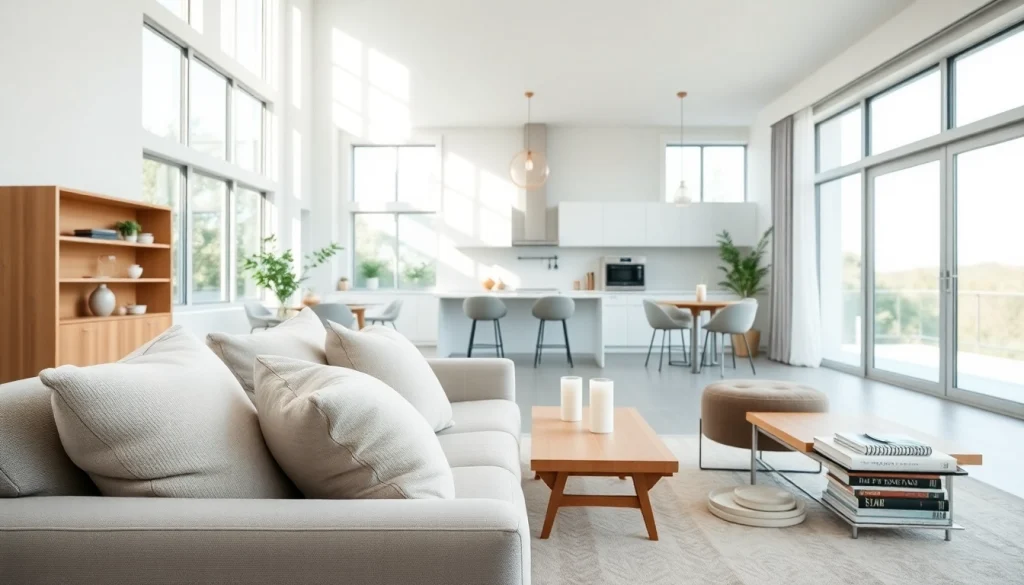
Creating zones in your living space can vastly improve its functionality. Zoning involves designating specific areas for different activities—such as work, relaxation, and socializing—while maintaining an overarching theme. For instance, an open floor plan can still delineate areas using rugs, lighting, or furniture arrangements that communicate the purpose of each zone. This approach not only enhances usability but also contributes to a seamless visual flow throughout the home.
Tips for Creating Comfortable Gathering Areas
Comfortable gathering areas are vital for fostering connections among family and friends. To create inviting spaces, consider the following tips:
- Seating Arrangements: Opt for intimate groupings of sofas and chairs that encourage conversation.
- Adequate Lighting: Use a mix of ambient, task, and decorative lighting to establish a warm, inclusive atmosphere.
- Textiles and Comfort: Incorporate soft textiles like throw pillows and blankets to enhance comfort and invite relaxation.
- Flexible Furniture: Use modular furniture that can be rearranged easily for different occasions or gatherings.
Bringing Nature Inside for Enhanced Well-being
The Role of Indoor Plants in Seamless Living
Integrating nature into your home can elevate the Seamless Living experience. Indoor plants purify air quality and create a calming presence, contributing to improved mental and emotional well-being. Plants such as snake plants, peace lilies, or succulents require low maintenance and are ideal for enhancing indoor air throughout the year. Additionally, various studies indicate that proximity to greenery can reduce stress levels and promote a more balanced and productive environment.
Creating Outdoor-Indoor Transitions
A seamless transition between indoor and outdoor spaces enhances the flow and can extend living areas. Incorporating large glass doors, outdoor patios, or balconies can allow natural light and fresh air to permeate your home. Using similar color palettes and materials both inside and outside can further blur the lines between the two spaces. Functionality can also be enhanced with outdoor furniture that complements your interior design, making it easy to enjoy nature’s benefits.
How to Select Eco-friendly Materials
In the pursuit of Seamless Living, choosing eco-friendly materials is vital. These materials not only support sustainable living practices but can also contribute to a healthier indoor environment. Opt for sustainably sourced wood, low-VOC paints, or recycled materials wherever possible. Ensuring that the materials used in your home are safe for both the environment and your health will enhance the quality of your living space while aligning with the principles of seamless, mindful living.
Maintaining and Evolving Your Seamless Living Space
Regular Decluttering Strategies
To maintain a seamless environment, regular decluttering is essential. Implementing a systematic approach can simplify this process. Consider following the “one in, one out” rule where you dispose of an item before acquiring a new one. Conduct regular assessments of belongings—at least seasonally—to determine what is still needed. Simple tools, such as storage bins or small baskets, can also help in organizing and managing clutter efficiently, ensuring your space continues to foster tranquility.
Assessing Functionality and Aesthetic Over Time
As life evolves, so too should your living space. Regularly assess whether your home continues to meet functional needs and aesthetic preferences. Design trends and personal styles may shift, necessitating adjustments. Take stock of your needs and consider whether certain areas feel outdated or overcrowded. A simple rearrangement of furniture or a fresh coat of paint can breathe new life into your home while still aligning with the Seamless Living philosophy.
Tips for Seasonal Decor Adjustments
Adjusting decor with the changing seasons can refresh your space and enhance the Seamless Living experience. Opt for decor that reflects nature’s transformations, such as lightweight fabrics in warmer months and cozy textiles as temperatures cool. Incorporating seasonal colors, decorative accents, and scents can improve ambiance and foster a dynamic relationship with your environment. This approach keeps the living space vibrant and intimately connected to the world outside.
FAQs
What is Seamless Living?
Seamless Living is a design philosophy promoting harmony and connectivity within a space, enhancing functionality, aesthetics, and emotional well-being.
How can I choose the right color palette?
Select calming colors like neutral tones and pastels that promote tranquility and harmonize visual appeal throughout your space.
How do indoor plants improve my living area?
Indoor plants purify the air, enhance aesthetics, and reduce stress, promoting emotional well-being and making your home feel more alive.
What are some decluttering strategies?
Implement the “one in, one out” rule and conduct seasonal assessments to evaluate what you truly need in your space.
How can I transition between outdoor and indoor spaces?
Utilize large glass doors, similar materials inside and out, and outdoor furniture to create a seamless flow between spaces.