
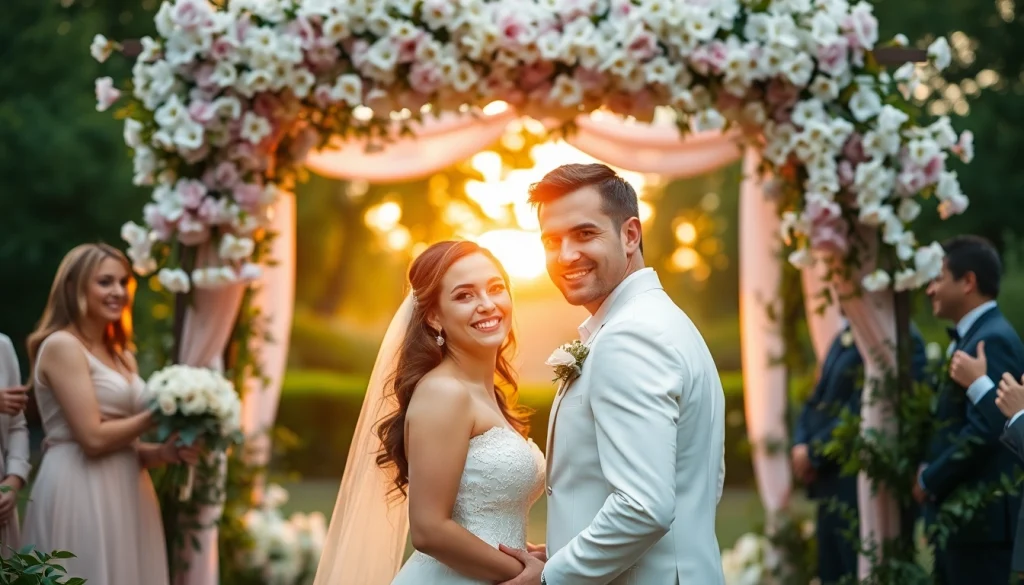
Understanding Wedding Photography Basics
What is Wedding Photography?
Wedding photography is a specialized form of photography aimed at capturing the events and moments of a wedding day. It encompasses a variety of styles and techniques that reflect both the emotional essence of the occasion and the aesthetic preferences of the couple. Often, wedding photography involves planning, a detailed understanding of lighting, and a keen eye for detail to produce images that evoke emotion for years to come. In the modern digital age, many couples also seek to incorporate their unique style, leading to an even broader array of photographic expressions. For more insights into beautiful ways to capture your day, check out Wedding photography practices.
The Role of a Wedding Photographer
The primary role of a wedding photographer is to document the various stages of the wedding ceremony and reception. This involves capturing not just posed portraits but also spontaneous moments that characterize the couple’s day. A skilled wedding photographer is not just a technician; they act as a storyteller, skillfully weaving together images that convey the narrative of the day— from the emotional moments of the ceremony to the lively celebration on the dance floor. Additionally, they must be adept at managing people, helping guests feel at ease, and navigating the timeline of the event to ensure no significant moment goes uncaptured.
Essential Equipment for Wedding Photography
Successful wedding photography requires the right gear. Essential equipment typically includes a camera body capable of high-quality imagery, multiple lenses to offer versatility, a tripod or monopod for stability, and external lighting sources like speedlights to manage challenging lighting situations. Moreover, backup gear such as additional memory cards and batteries is critical to prevent a potential disaster. Modern photographers might also invest in post-production software to edit and enhance their images post-event seamlessly.
Planning Your Wedding Photography
Choosing the Right Photographer
Selecting a wedding photographer is a pivotal decision that can significantly impact how the memories of your special day are captured. Couples should begin their search by defining their aesthetic preferences based on their vision for the wedding. It’s crucial to review portfolios to assess the photographer’s style, consistency, and previous work. Interviews are equally important—couples should feel comfortable and aligned with the photographer’s approach. Recommendations from friends or online reviews can further aid in narrowing down the options.
Creating a Photography Schedule
To ensure every vital moment is captured, a well-organized photography schedule is essential. Couples should consult with their chosen photographer to create a timeline that outlines key moments—getting ready shots, the ceremony, family portraits, and the reception. This schedule helps streamline the process and allows the photographer to optimize their coverage. Moreover, it can assist in managing guests’ expectations and keeping events on track, especially when coordinating with other vendors.
Location Scouting for Stunning Shots
Wedding photography locations can greatly enhance the overall aesthetics of the images. Couples should consider choosing venues that offer diverse backdrops for photography, such as picturesque gardens, historic buildings, or unique indoor spaces. Visiting these locations ahead of time allows for a better understanding of the light conditions, optimal angles, and potential challenges that may arise on the day of the wedding. Collaboration with the photographer during this scouting phase can lead to creative insights on how to leverage the site’s features effectively.
Styles of Wedding Photography
Traditional vs. Contemporary Wedding Photography
Traditional wedding photography often includes posed group shots and classic portrait styles, focusing on documenting significant moments in a formal manner. In contrast, contemporary wedding photography embraces modern techniques and often incorporates storytelling elements. This style may feature candid shots and unique angles that capture the essence and mood of the day in a more artistic way. Understanding the differences between these styles allows couples to choose an approach that resonates with their vision for the wedding festivities.
Candid Moments and Photojournalism
Photojournalistic wedding photography aims to capture genuine moments as they happen, rather than orchestrating events for posed shots. This style focuses on storytelling—overhearing laughs, tears, and unexpected moments that reveal true emotions. Photographers adopting this approach often work unobtrusively, documenting the spontaneity of the day while ensuring that couples receive a collection of images reflecting the authentic atmosphere of their celebration.
The Rise of Documentary Wedding Photography
Documentary wedding photography is a growing trend within the wedding industry that focuses on capturing the narrative of the day without interference. It allows photographers to document various events, from candid interactions among guests to poignant moments between the couple. This style emphasizes emotional authenticity, creating a rich visual story that couples can reflect upon in years to come. By focusing on real moments, documentary photography preserves the day’s atmosphere and emotion, offering a deeper connection to the celebration.
Pre-Wedding Essentials
Engagement Shoots in Wedding Photography
Engagement shoots have become a popular trend that provides couples with an opportunity to work with their chosen photographer prior to the wedding day. This session helps couples become comfortable in front of the camera, which can alleviate potential nerves on the wedding day. Additionally, an engagement shoot allows photographers to understand the couple’s dynamics and preferences, leading to more personalized wedding day coverage. Couples may use images from their engagement shoot for invitations, save-the-dates, or even as decorative elements in their wedding decor.
Understanding Lighting for the Big Day
Lighting plays a crucial role in wedding photography, significantly influencing how images turn out. Photographers must understand various types of lighting—natural, ambient, and artificial—and how they affect exposure and color balance in photographs. Since weddings often transition from daylight to nighttime conditions, being adept at modifying and utilizing available light sources is essential. Prep meetings with the couple to discuss venues’ lighting conditions can help photographers decide on the best techniques and equipment to implement during the shoot.
Choosing a Theme or Concept
The choice of a wedding theme or concept affects not just the decor but also the overall photographic style. Themes can range from vintage-inspired to beachy bohemian or even modern minimalistic vibes. Photographers can utilize thematic elements as creative storytelling devices, helping to create a cohesive visual narrative that reflects the couple’s personalities and inspirations. Engaging with photographers during this planning stage can lead to creative ideas for capturing unique shots that align with the overall theme.
Post-Wedding: The Art of Editing
Image Selection and Culling Techniques
Once the wedding day is concluded, the work of the photographer continues in the editing room. A successful post-wedding process begins with culling, where photographers sort through thousands of images and select the best shots that tell the most compelling stories. This stage requires a discerning eye for quality, emotion, and relevance, ensuring only the finest images make it to the final collection.
Editing Styles and Their Impact
Editing is not merely about correcting colors or exposure but also about establishing a distinct style that resonates with the couple’s vision and the photographer’s signature approach. Various editing styles, such as light and airy or dark and moody, can dramatically influence the mood and feel of the photographs. As such, it’s vital for couples to discuss editing preferences upfront to ensure the final product will align with their desired appearance.
Delivering the Final Product: Albums and Prints
The end goal of wedding photography is the delivery of high-quality images that couples can cherish for years to come. This process may include printed albums, digital galleries, and prints suitable for framing or sharing. A well-crafted album showcases the highlights of the day and offers a tactile way to relive memories, serving as a lasting keepsake that generations can enjoy. Modern photographers might also offer digital products, ensuring both physical and digital versions of cherished moments are accessible to their clients.
Frequently Asked Questions
What should I look for when hiring a wedding photographer?
Look for portfolio consistency, style alignment, rapport, and customer reviews. Understanding the photographer’s approach to your specific vision is crucial.
How long does it take to get wedding photos back?
Delivery times vary by photographer, usually between 4 to 12 weeks after the wedding. It’s best to confirm turnaround times upfront.
Can we provide a shot list to our photographer?
Absolutely! Providing a curated shot list can help ensure the important moments are captured, while also allowing room for spontaneity.
What happens if it rains on our wedding day?
Photographers typically have contingency plans for inclement weather. Discussing options for indoor venues or alternative shots is a good practice.
How do we prepare for our engagement shoot?
Wear outfits that reflect your style and comfort. Discuss locations and concepts with your photographer to ensure a productive session.