
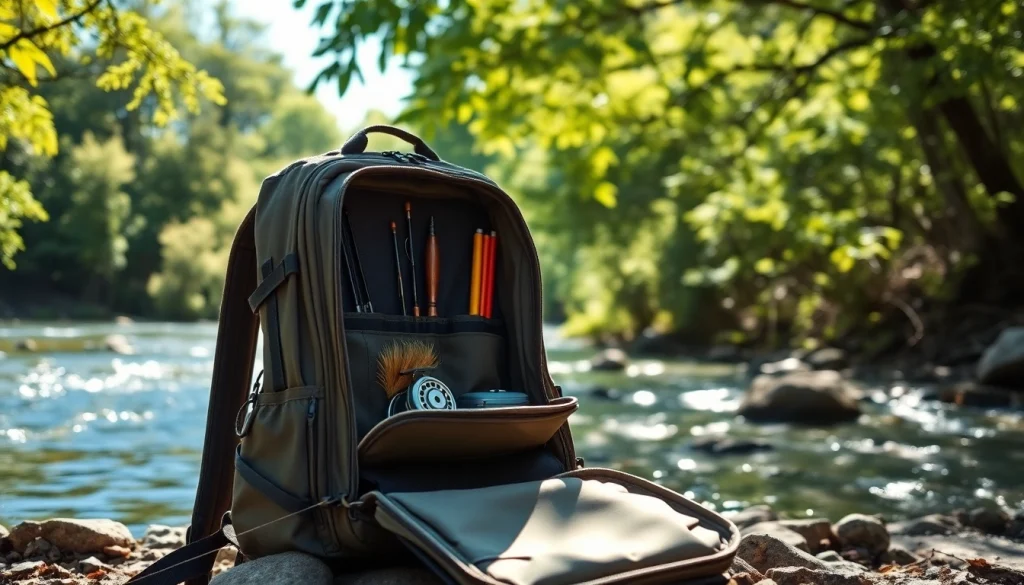
Understanding the Essential Features of a Fly Fishing Backpack
Choosing the right gear for fishing is crucial, and among the most vital pieces is a quality Fly fishing backpack. This gear not only carries equipment but also enhances your overall fishing experience. In this section, we will explore the essential features to consider when selecting a fly fishing backpack.
Material and Durability
The material of a fly fishing backpack plays a significant role in its durability and functionality. Common materials used include nylon, polyester, and other synthetic fabrics, all of which offer varying degrees of water resistance and abrasion resistance. High-denier fabrics provide excellent durability, ensuring that your gear withstands rough landscapes and adverse weather conditions. Additionally, backpacks constructed with reinforced stitching at pressure points enhance longevity, making it essential to assess the construction quality before making a purchase.
Size and Capacity Considerations
Size is another critical factor when selecting a fly fishing backpack. Your choice should depend on the length of your fishing trips. For short excursions, a smaller capacity pack (20-30 liters) is often sufficient. However, for multi-day trips, consider a larger capacity backpack (40-70 liters) that can accommodate all necessary equipment, including clothing, food, and additional gear. Accessibility to your equipment is also important, so ensure the design allows for easy organization and retrieval of your items.
Water Resistance and Protection
Water resistance is perhaps the most crucial feature of a fly fishing backpack. Often equipped with waterproof zippers, sealed seams, and water-repellent coatings, a good backpack will protect its contents from rain, splashes, and even brief submersions. Additionally, features like built-in rain covers add an extra layer of protection. Evaluate whether the pack remains functional in wet conditions, keeping your gear dry and safe, because this is essential for any angler tackling various environments.
Top Benefits of Using a Fly Fishing Backpack
Fly fishing backpacks are designed to enhance your fishing experience through various benefits. Understanding these advantages helps in recognizing their importance in your gear setup.
Hands-Free Convenience
One of the primary advantages of using a fly fishing backpack is the hands-free convenience it provides. These packs often feature adjustable shoulder straps, chest straps, and hip belts that distribute weight evenly, allowing you to navigate rugged terrain comfortably. With a built-in rod holder or tool attachment points, you can focus on your fishing technique without juggling multiple items, hence streamlining your experience on the water.
Organized Storage Solutions
Organization is key for effective fishing, and a good fly fishing backpack is equipped with multiple compartments and pockets designed specifically for fishing gear. From specially designed pockets for flies to insulated compartments for beverages, these backpacks help keep your essentials in place, ensuring quick access and minimizing the time wasted searching for lost items. Well-organized storage enables anglers to spend more time fishing and less time fumbling for gear.
Improved Comfort for Long Days
The comfort of wearing a fly fishing backpack for extended periods cannot be overlooked. Many modern backpacks are equipped with padded shoulder straps and back panels, which not only enhance comfort but also improve airflow, preventing excessive sweating. Features like adjustable straps cater to individual body types, optimizing fit. Investing in a comfortable pack can significantly reduce fatigue, making for a more enjoyable fishing day.
How to Choose the Best Fly Fishing Backpack
Choosing the ideal fly fishing backpack requires consideration of personal needs and preferences. The following factors will guide your selection process.
Assessing Your Fishing Style
Your fishing style significantly influences the type of backpack you will need. For instance, a day fisherman may require a compact pack with essential compartments for immediate gear, while backcountry anglers may need a larger, more versatile backpack for camping gear, additional tools, and food supplies. Catering to your specific fishing habits will ensure your backpack meets all necessary requirements.
Evaluating Comfort and Fit
It is vital to evaluate comfort and fit before making a purchase. Visit a store to try on different models, adjusting straps to find a suitable fit. Pay attention to the distribution of weight and adjustability features. Ensure that the backpack does not strain your back or shoulders. Comfortable backpacks often lead to better performance and enjoyment while fishing.
Budgeting for Quality
While it may be tempting to cut costs when selecting gear, investing in a high-quality fly fishing backpack is crucial for longevity and functionality. Higher-priced models often employ advanced materials and construction techniques that enhance their durability and performance under challenging conditions. Set a reasonable budget that aligns with your fishing frequency and requirements, ensuring you receive good value for your investment.
Caring for Your Fly Fishing Backpack
Proper care and maintenance can significantly extend the life of your fly fishing backpack. Here are some essential tips for maintaining your gear.
Cleaning and Maintenance Tips
Regular cleaning is essential to preserve your backpack’s integrity. After a fishing trip, remove all gear and wash the backpack according to the manufacturer’s instructions. Typically, a gentle hand wash with mild soap suffices. Be cautious with any zippers, seams, or waterproof linings. Allow it to air dry fully to prevent mildew or mold growth before storing it away.
Storage Solutions to Extend Lifespan
Store your fly fishing backpack in a cool, dry place, away from direct sunlight. Avoid cramming items inside, as this can distort its shape and lead to material degradation. Utilizing packing cubes or breathable bags can help maintain organization while preventing moisture accumulation from trapped air.
When to Replace Your Bag
Recognizing the signs of wear is essential in deciding when to replace your backpack. If you notice compromised seams, persistent leaks, or significant fabric abrasions, it may be time for a new investment. Regular inspections after fishing trips will help identify potential issues early, ensuring you stay prepared for future adventures.
Frequently Asked Questions About Fly Fishing Backpacks
What is the best fly fishing backpack for beginners?
For beginners, a comfortable, well-sized pack with basic storage options is ideal. Look for a moderate capacity backpack (20-30 liters) to hold essential gear without overwhelming you.
How much should I spend on a quality fly fishing backpack?
Quality fly fishing backpacks typically range from $50 to $300. It’s advisable to balance your budget with durability and features that meet your needs for regular fishing trips.
Are waterproof fly fishing backpacks necessary?
Waterproof backpacks are highly beneficial, protecting your gear in wet environments and sudden downpours. They enhance convenience and ensure that your essentials remain dry.
What size fly fishing backpack should I choose?
Your choice should depend on the length of your outings. Smaller packs (20-30 liters) work well for day trips, while larger packs (40-70 liters) suit longer excursions requiring additional gear and supplies.
Can I use my fly fishing backpack for other outdoor activities?
Absolutely! A versatile fly fishing backpack can double for hiking, camping, or day trips, making it an excellent all-purpose outdoor gear option.